Starlink Mobile Threatens T-Mobile Deal as SpaceX Eyes Retail Carriers

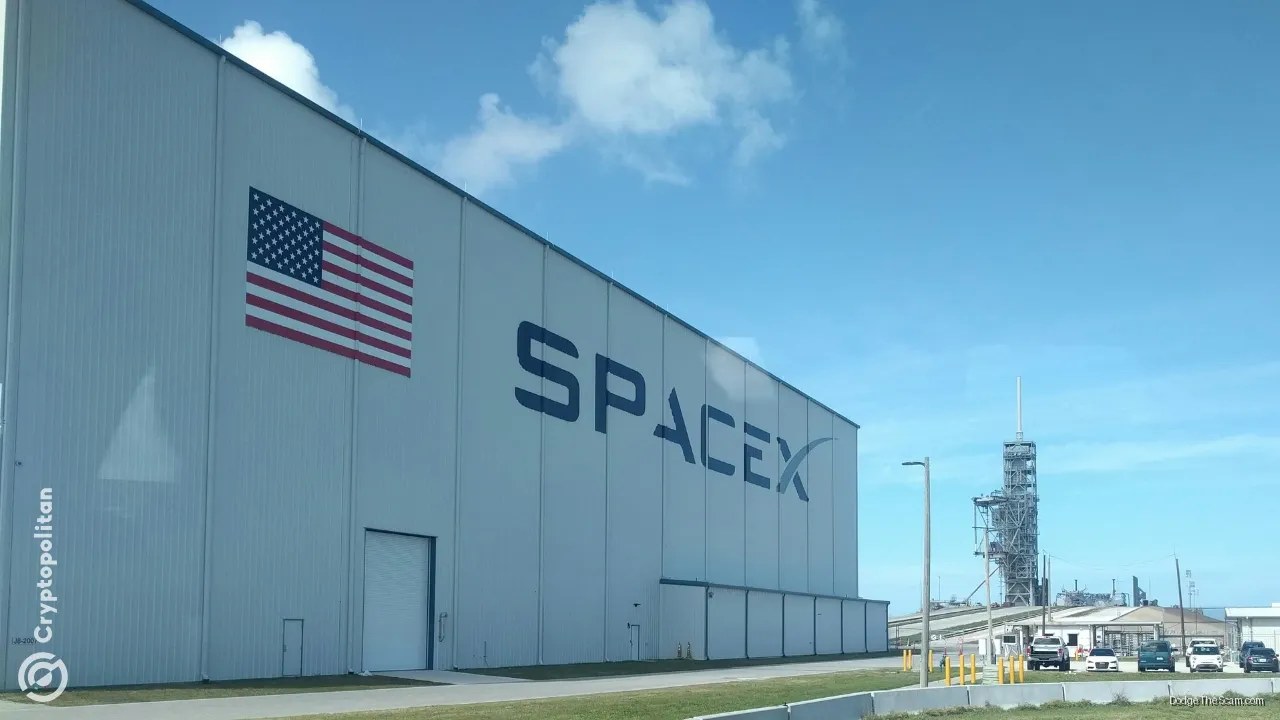
What You Need to Know
- Starlink plans direct-to-consumer mobile service, competing against Verizon, AT&T, and T-Mobile.
- Starlink generated 69% of SpaceX revenue in Q1 and was the only profitable segment.
- SpaceX posted $4.9 billion net loss in 2025 and $4.28 billion loss in Q1 2026.
- Retail investors bought record $405 million in SpaceX shares across first five trading sessions.
SpaceX used its IPO roadshow to float a direct-to-consumer mobile service under the Starlink brand, a move that would transform the company from a wholesale satellite partner for carriers like T-Mobile into a retail competitor against Verizon, AT&T, and T-Mobile itself. Gwynne Shotwell outlined the plan to prospective investors, according to the Financial Times, and SpaceX’s IPO filing already describes Starlink Mobile as a rival to existing carriers, with the addressable market pegged at $740 billion.
The financial logic is not subtle. Starlink generated 69% of SpaceX’s revenue in the first quarter and was the only profitable segment. The space unit lost $619 million over that period; the AI arm lost $2.5 billion. SpaceX is essentially a connectivity business that also launches rockets, and moving up the value chain into retail contracts is the obvious next step for any infrastructure company that realizes it has been leaving margin on the table for its distribution partners. The cable industry ran this same playbook in reverse for years, bundling broadband and then watching competitors unbundle it.
TD Cowen has floated a T-Mobile acquisition as the fallback if a wholesale deal falls through, with AT&T and cable operators Comcast and Charter named as alternatives. That is a wide acquisition menu, and menus this wide usually mean nothing is imminent.
The Harder Question Is the Valuation
Retail investors bought a net $405 million in SpaceX shares across the first five sessions, which Vanda Research called the strongest retail IPO debut on record. That enthusiasm arrived alongside a 16% post-IPO slump and a company that posted a $4.9 billion net loss in 2025 followed by a $4.28 billion loss in just the first quarter of this year. Elon Musk has publicly projected $1 trillion in revenue by 2030, against $18.7 billion in 2025 actuals. Michael Burry has declined to take a position, citing expensive options and a valuation approaching $3 trillion. The retail bid and the institutional skepticism are not yet reconciled. Wedbush puts the odds of a SpaceX-Tesla merger at 80% or higher by 2027, a scenario Shotwell described as something that “might make Elon’s life a little easier,” while also saying she was currently “focused on keeping the lights on.”
The connectivity ambition is credible. The path from here to there runs through capital raises, regulatory approvals for a retail wireless business, and possibly one of the largest acquisitions in corporate history. Each of those steps has its own timeline, and none of them is confirmed.





0 Comments