Nvidia Locks South Korea Into Single-Vendor AI Infrastructure

What You Need to Know
- Jensen Huang secured multi-year partnerships with six major South Korean companies during three-day Seoul visit.
- SK Hynix signed development pact covering all four Nvidia computing platforms as largest memory supplier.
- Naver scaling GAK Sejong data center from 55 megawatts toward gigawatt range using Nvidia infrastructure.
- South Korea building national AI infrastructure on single vendor architecture, creating long-term dependency and revenue floors for Nvidia.
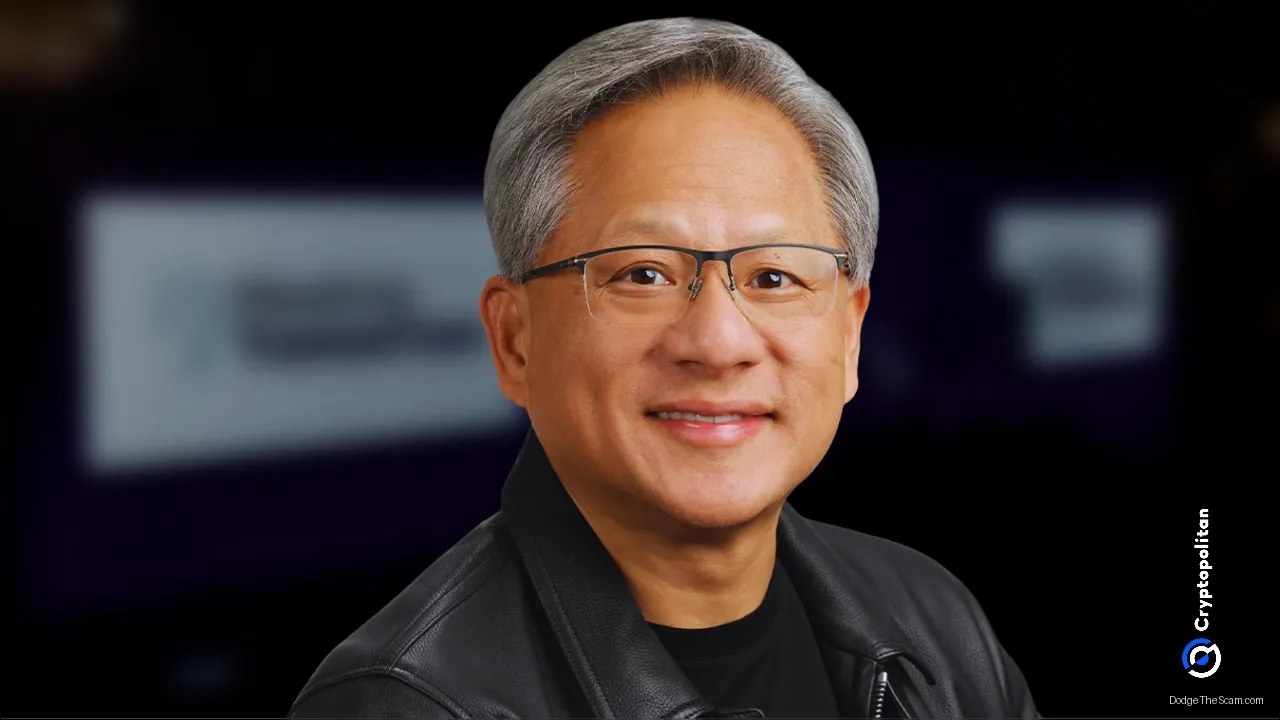
Jensen Huang spent three days in Seoul closing deals that lock South Korea’s largest industrial conglomerates into Nvidia’s platform stack for the next several years, with SK Hynix, SK Telecom, Naver, LG, Hyundai, and Doosan all announcing partnerships tied to Nvidia’s DSX infrastructure system.
The breadth of the commitments matters more than any single announcement. SK Hynix, already Nvidia’s largest memory supplier by Huang’s own account, signed a multi-year development pact covering all four of Nvidia’s computing platforms. Naver is scaling its GAK Sejong data center from 55 megawatts toward the gigawatt range using Nvidia infrastructure. SK Telecom is building a gigawatt-class AI cloud expected to come online in 2027. What this visit actually represents is Nvidia executing a deliberate strategy to embed itself at the sovereign level, replicating the hyperscaler dependency model with national governments and regional industrial champions before competitors can establish comparable footholds.
South Korea is now effectively building its national AI infrastructure on a single vendor’s architecture.
That concentration carries real risk for Seoul and real strategic value for Santa Clara. For Nvidia, sovereign AI deals function as long-duration revenue floors that are politically difficult to unwind, insulated from the quarter-to-quarter volatility that has rattled chip stocks in 2025 and 2026. For South Korean firms, the dependency cuts both ways: deep integration accelerates capability development but reduces negotiating leverage as contracts extend. The LG, Hyundai, and Doosan commitments, spanning robotics, autonomous vehicles, power generation, and manufacturing, suggest Nvidia is positioning physical AI as the next expansion layer after data center buildout matures.
Huang mentioned Vera Rubin entering full production and flagged the second half of 2026 as a supply chain synchronization window, which implies the current wave of partnership announcements is timed to align procurement commitments with incoming hardware availability rather than representing purely relationship-driven diplomacy.




0 Comments