Iran Demands $40B Annual Toll for Strait of Hormuz Passage

What You Need to Know
- Iran proposes converting Strait of Hormuz into managed toll route, demanding ships pay for passage security and services.
- Iran estimates potential annual revenue from tolls at approximately $40 billion through the critical oil shipping lane.
- Strait of Hormuz handles 20 percent of world’s traded oil, making Iran’s toll proposal significantly more impactful than Turkish Dardanelles precedent.
- Secretary of State Rubio rejected Iran’s fee proposal, warning it would set dangerous precedent for other global waterways.
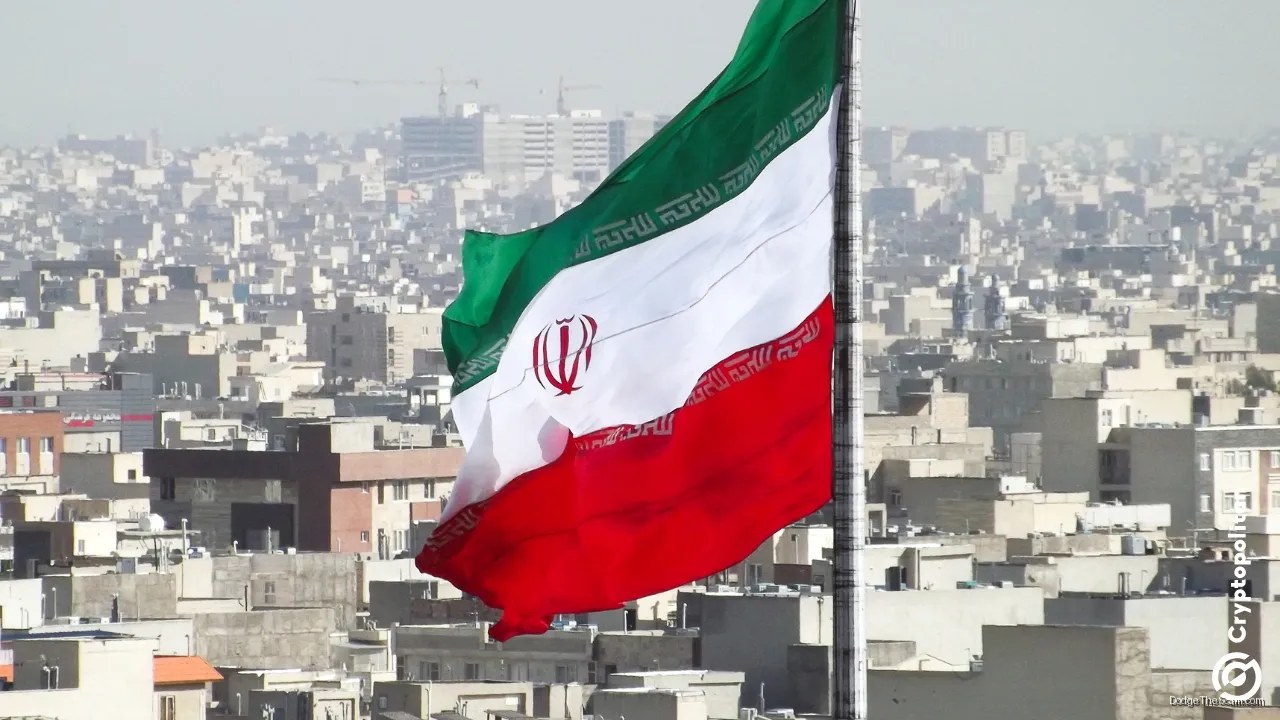
Iran is trying to convert the Strait of Hormuz into a managed toll route, demanding that ships pay for security, safety, and environmental services as a condition of passage through one of the world’s most critical oil lanes. Iranian officials have put the potential annual revenue at around $40 billion, and Tehran’s chief negotiator Mohammad Bagher Ghalibaf made the proposal explicit during a visit to Oman this week, saying “management of the strait will never return to the way it was before.”
The framing matters. The 60-day ceasefire corridor that reopened the strait explicitly prohibits transit fees during its term, but the agreement also gave Iran a formal seat in future management talks. Tehran is using that seat aggressively. The Turkish model at the Dardanelles, which Iranian officials have cited as a precedent, runs on a gold franc system and has operated without triggering a global diplomatic crisis, but the Dardanelles is not a chokepoint for 20 percent of the world’s traded oil. The scale difference makes the comparison useful for Iran’s argument and nearly irrelevant as a practical template.
Tehran does not recognize the international maritime law framework that governs the strait, which means the legal dispute precedes the economic one entirely.
The pushback has been swift and coordinated. Secretary of State Marco Rubio rejected the fee proposal in Bahrain on Thursday, warning it would set a dangerous precedent for other waterways globally. Oman’s foreign minister told Rubio directly that any future Hormuz arrangement would exclude transit fees, and Oman has separately launched a toll-free tanker corridor near its coast, organized through the International Maritime Organization. Trump posted on Wednesday that Iran was not collecting fees from ships, though he did not address whether a future payment arrangement was negotiable. The diplomatic alignment between Washington, Gulf states, and Oman is clear for now, but Iran’s creation of its own mandatory insurance firm for ships crossing the strait suggests Tehran is building leverage through operational facts rather than waiting for a negotiated outcome.
The attack by the Islamic Revolutionary Guard Corps on a Singapore-flagged cargo ship on Thursday, hours after Iranian warnings about unauthorized routes, is the sharper signal. Bridge damage was reported with no casualties, but the sequence of warning, corridor designation, and then enforcement action suggests Iran is testing how much control it can assert during the ceasefire window before the 60 days expire and the real negotiation begins.





0 Comments