India’s High Court Validates Full Platform Blocks Over Channel Removals

What You Need to Know
- Delhi High Court upheld India’s seven-day Telegram block in June, ruling it lawful under Information Technology Act Section 69A.
- Block was triggered by Telegram channels allegedly leaking NEET medical exam question papers to millions of candidates.
- Court accepted full platform blocking of 150 million Indian users was proportionate response to misconduct on specific channels.
- Telegram had already removed over 900 exam-fraud links before the block, undermining government’s justification on operational grounds.
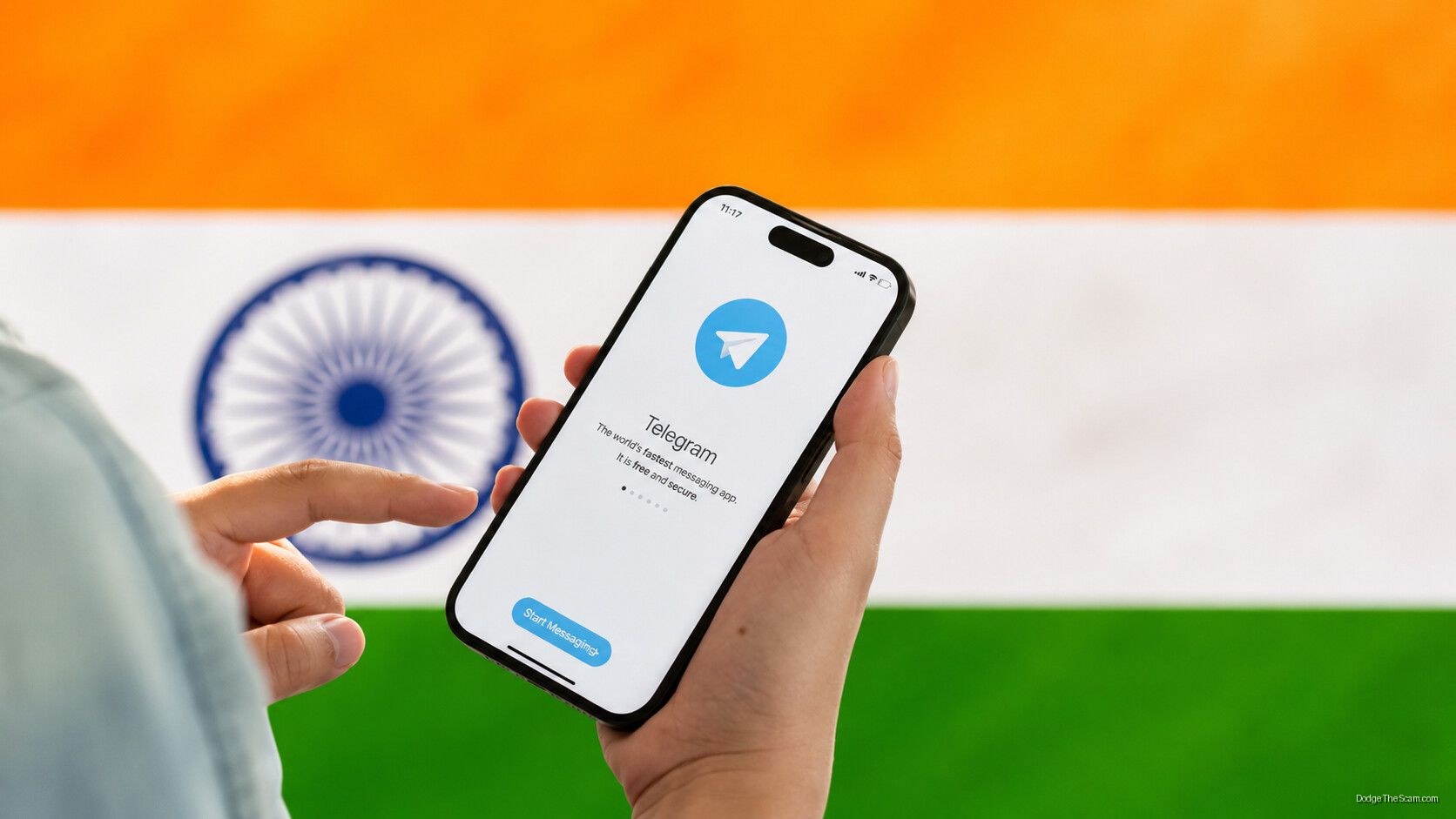
India’s Delhi High Court has upheld the government’s temporary block of Telegram, rejecting the platform’s appeal and affirming that the seven-day restriction imposed in June was lawful under Section 69A of the Information Technology Act. The ruling covers a block that ran from June 16 to June 22, triggered by Telegram channels allegedly leaking question papers for the NEET medical entrance exam, which draws more than 2.3 million candidates annually.
The court’s reasoning leans heavily on the precedent established in the Shreya Singhal case, where India’s Supreme Court found Section 69A constitutional provided the government records written reasons, applies specific constitutional grounds, and subjects blocking orders to a review mechanism. Justice Tejas Karia found those conditions met here, dismissing Telegram’s argument that it falls outside the definition of “information” under the Act. What makes this ruling consequential beyond the immediate facts is the proportionality question it sidesteps: the court accepted that blocking an entire platform with roughly 150 million Indian users was a proportionate response to misconduct on specific channels, during a finite window tied to a single retest. That logic, now validated by a High Court, is available to any future ministry seeking emergency-basis blocks against platforms that resist channel-level takedown requests.
Telegram told the court it had already removed more than 900 links tied to exam-fraud material, which makes the government’s case for a full platform block harder to justify on operational grounds, even if the court found the procedure technically sound.
India is Telegram’s largest national market, and the claims made about enforcement difficulties centered on the platform’s anonymity features and the ease of restoring blocked channels. Those are the same features that make Telegram a significant distribution layer for crypto communities, token announcements, and project coordination across South and Southeast Asia. A legal framework that permits emergency platform-wide blocks, now judicially endorsed, creates real operational risk for any decentralized project that relies on Telegram as primary infrastructure in this jurisdiction. The user response was immediate: Proton VPN reported a 120 percent spike in Indian registrations, peaking at 150 percent above baseline, while Windscribe saw sign-ups double, and Signal downloads accelerated sharply.
Pavel Durov’s public response, that banning harmful content from a platform moves it elsewhere rather than eliminating it, is accurate as a factual matter but did not move the court. The ruling’s durability will depend on whether it faces further challenge at the Supreme Court level, where the Shreya Singhal framework would be the operative test.




0 Comments