Dialog’s Secret Membership List Exposes How U.S. Officials Dodge Disclosure Rules

What You Need to Know
- Dialog operated without public membership list for nearly two decades until website directory and retreat registration leaked.
- Network co-founded by Peter Thiel and Auren Hoffman in 2006 includes sitting senators, NATO commander, Treasury secretary, Hollywood figures.
- Members registered using personal email addresses instead of government emails, deliberately avoiding public-records disclosure requirements.
- Swiss hacktivist Maia Arson Crimew discovered exposed directory after anonymous tip and published findings independently verified by WIRED.
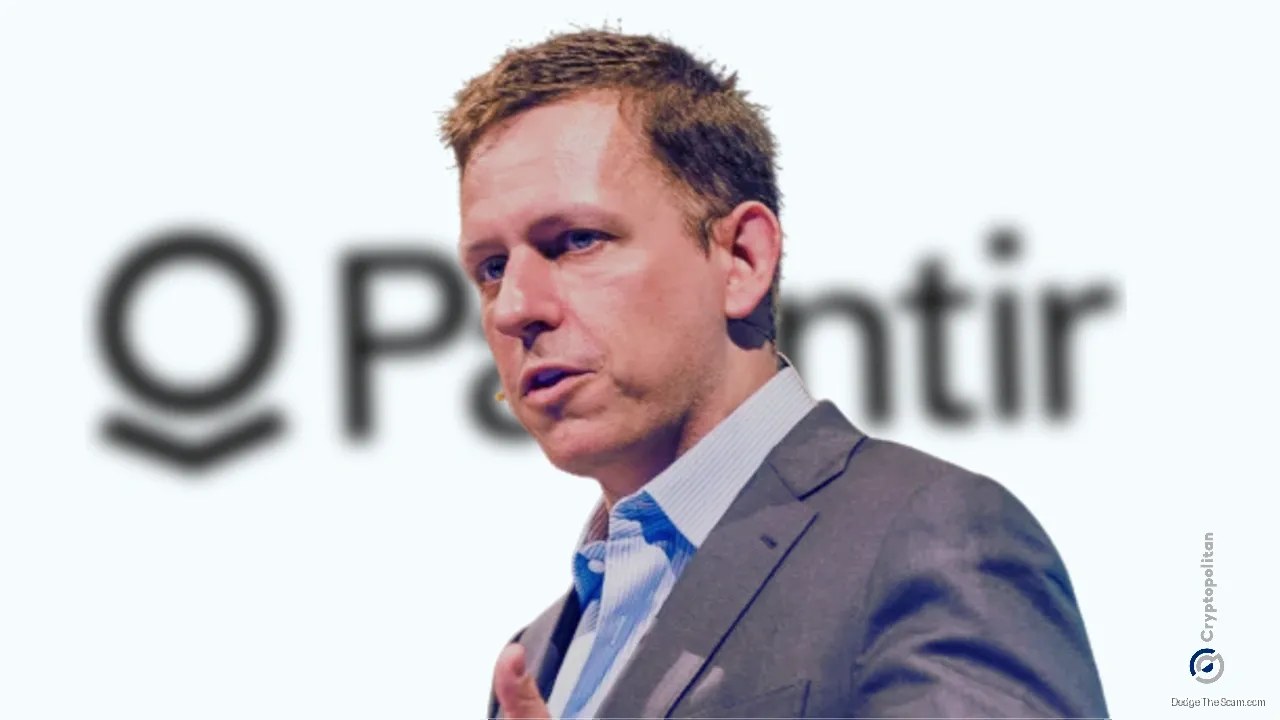
Peter Thiel’s private network Dialog has spent nearly two decades operating without a public membership list, and it took an exposed website directory and a separately leaked retreat registration list to end that run. The network, co-founded by Thiel and data-broker executive Auren Hoffman in 2006, counts sitting U.S. senators, a NATO supreme commander, a Treasury secretary, and a collection of Hollywood figures among its documented members.
The leak itself is worth understanding structurally. Swiss hacktivist Maia Arson Crimew, previously responsible for exposing the U.S. government’s No Fly List, found an exposed directory on Dialog’s website after receiving an anonymous tip and published what she found. WIRED then independently verified that material and obtained a separate registration list for Dialog’s planned August 2026 retreat near Dublin from a confidential source. That list names 222 members, including Treasury Secretary Scott Bessent, Senators Ted Cruz and Cory Booker, Palantir co-founder Joe Lonsdale, and NATO General Alexus Grynkewich, whose attendance history reportedly stretches back to 2021. Crucially, none used government email addresses to register, which places their participation outside public-records disclosure requirements. That detail is not incidental: it is the structural feature that kept Dialog invisible for two decades.
Several named individuals have already moved to create distance, with Colorado Governor Jared Polis saying he does not recall attending any Dialog events, and Josh Brolin denying involvement entirely.
The internal mechanics revealed by WIRED are the more revealing element. Dialog grades prospective members A, B, or C before they attend, with the C designation reserved for the most prominent and wealthy, roughly one in seven of the 192 files examined. Lower-graded attendees pay full retreat costs exceeding $10,000; higher-graded members receive discounts. A post-retreat code review can revise scores and effectively bar re-invitation. The system is less a network than a curated market for influence, where access is priced and attendance history functions as a form of social credit. The Dublin agenda, which includes sessions on battlefield technology, Taiwan’s role in the AI race, and World War III preparedness alongside lighter fare, reflects the blend of policy proximity and social ambition that makes the membership list politically sensitive.
Dialog’s Dublin retreat is scheduled for August 12 to 16, 2026, and the registration list obtained by WIRED was assembled in preparation for that event. Whether the exposure changes attendance calculus for sitting officials, particularly those with disclosure obligations that private email registration was designed to sidestep, is now a concrete question rather than a hypothetical one.





0 Comments