Bitcoin Gains Legal Status in Russia as Settlement Tool for Sanctioned Trade

What You Need to Know
- Russia’s State Duma bill permits Bitcoin and Ethereum for cross-border trade settlements starting July 1, 2026.
- Only cryptocurrencies with $66.6 billion market cap and five years trading history qualify, effectively limiting to Bitcoin and Ethereum.
- Russia classifies crypto as property under law, giving holdings legal standing in bankruptcy and asset disputes.
- Domestic payments remain banned; ruble stays sole legal tender for internal transactions.
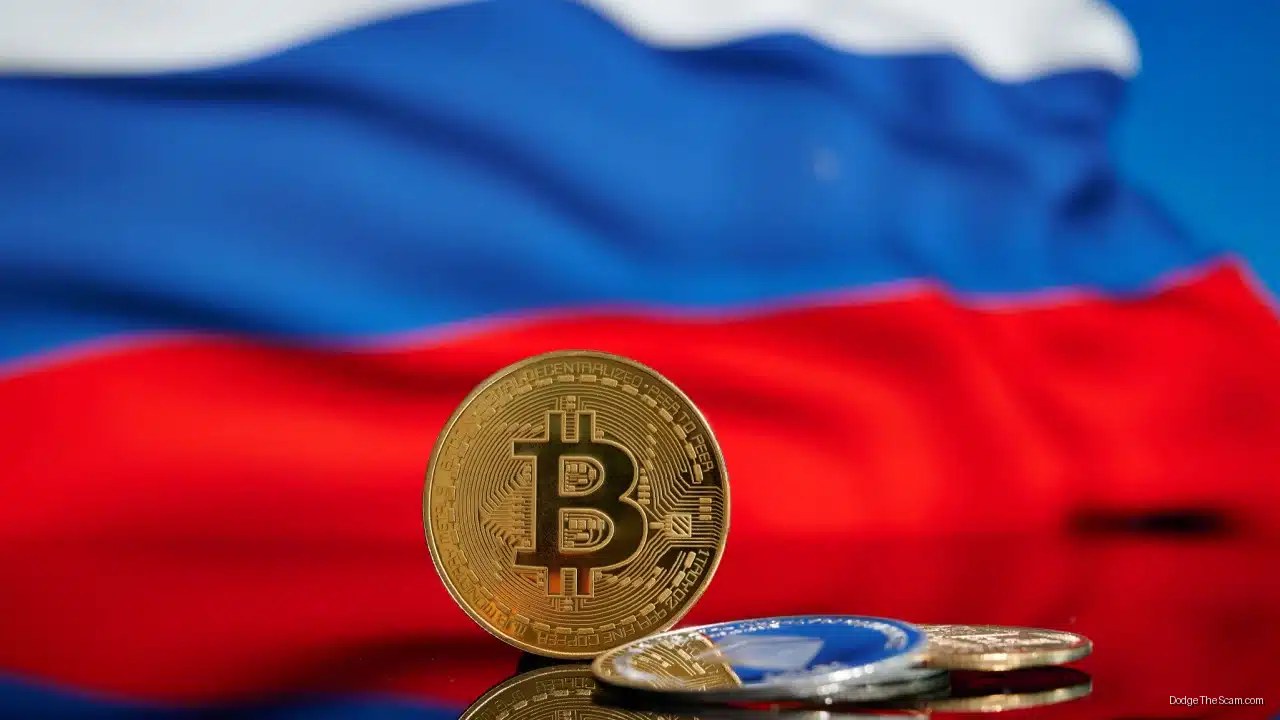
Russia is formalizing what its sanctioned economy has been doing informally for years: using Bitcoin as a settlement rail when traditional banking is unavailable. A bill moving through the State Duma would classify Bitcoin as property under Russian law and permit its use in cross-border trade settlements, with a July 1, 2026 target date that is now weeks away.
The eligibility threshold in the bill is the detail that matters most. Only assets with a market capitalization above roughly $66.6 billion and at least five years of trading history qualify, which at current levels means Bitcoin and Ethereum exclusively. That framing is deliberate: it gives the legislation the appearance of a neutral technical standard while producing a predetermined list of two. Iran reached a similar outcome through a different path, incorporating Bitcoin into parts of its transit payment infrastructure without the formal legislative architecture Russia is now building. The difference is that Russia is creating a legal property classification alongside the trade exemption, which means crypto holdings would gain standing in bankruptcy proceedings and asset disputes rather than existing in a gray zone where courts have no clear framework.
Domestic payments stay banned. The ruble remains Russia’s only legal tender. This is not a crypto adoption story; it is a sanctions evasion architecture dressed in regulatory language.
The broader implication runs through every exchange still serving Russian users. Platforms with ongoing Russian exposure face a binary choice as this framework solidifies: operate within a structure that Western regulators will scrutinize closely, or exit. Binance already scaled back Russian services under earlier pressure, and the formalization of crypto as a sanctioned-economy tool will accelerate that pressure on any remaining platforms. For Ethereum, the bill is a quiet endorsement from an unexpected direction, though the mechanism that qualifies ETH here, its market cap and age, has nothing to do with its utility as a settlement layer. Bitcoin’s inclusion fits its narrative; Ethereum’s is almost incidental.
The bill still requires two more Duma readings, Federation Council approval, and a presidential signature before the July 1 date becomes binding. Given the first reading passed 327 to nothing, the remaining steps look procedural rather than uncertain.




0 Comments