Bitcoin Faces Rate-Cut Reversal as Oil Shock Replaces Deal Optimism

What You Need to Know
- Brent crude jumped 4% above $96 after Israel struck Iranian targets despite Trump’s request for restraint.
- Goldman Sachs removed remaining 2024 Fed rate cut forecasts, signaling sustained inflation concerns from oil shock.
- Fed rate expectations are crypto’s most reliable price driver since 2022, with tighter liquidity suppressing markets.
- Israeli strikes undermined US credibility in Iran nuclear negotiations, extending deal timeline and elevating oil risk premium.
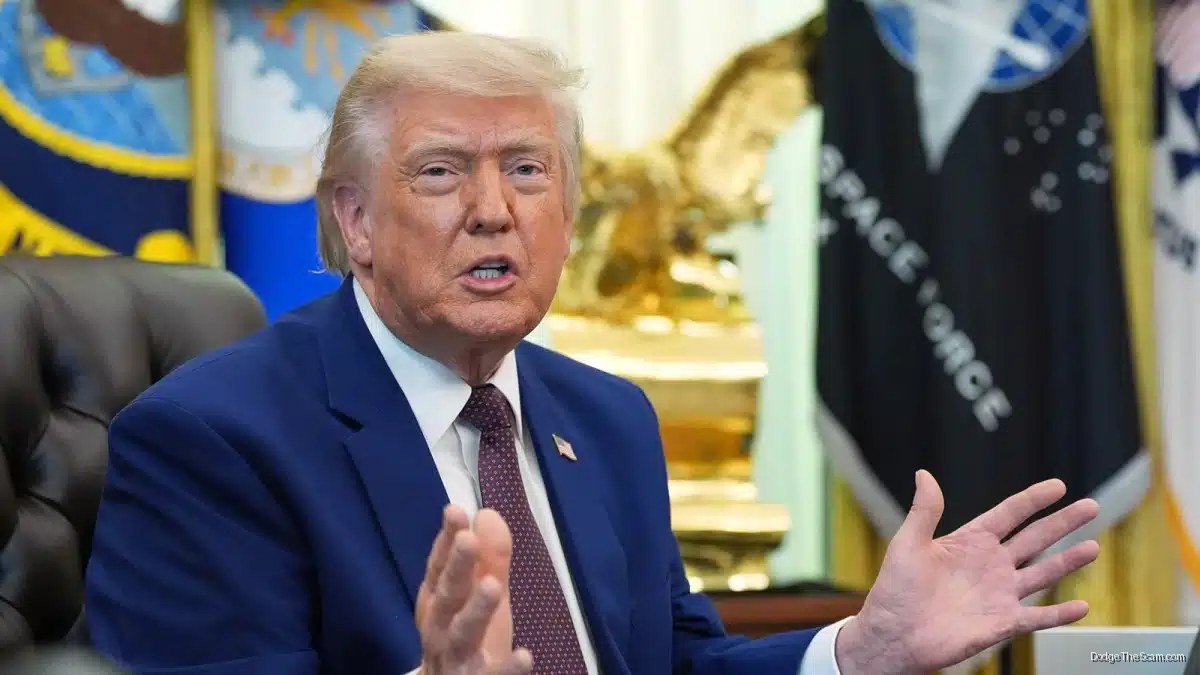
Markets spent the weekend pricing in a near-done Iran nuclear deal. Then Israel struck targets in Tehran, Tabriz, and Isfahan hours after Trump told the Financial Times, “I call all the shots,” and personally asked Netanyahu not to retaliate. One of those two things is not true.
The immediate market read was straightforward: Brent crude jumped roughly 4% to above $96, and Goldman Sachs pulled its remaining Fed rate cut forecasts for the year. That last part matters more than the oil move. Rate expectations have been the single most reliable driver of crypto price behavior since 2022, and the correlation between Bitcoin and Nasdaq has not meaningfully broken even as institutional ETF flows have provided a new demand floor. A sustained oil shock that keeps inflation elevated and the Fed on hold is a tighter liquidity environment, full stop. The 2022 analogue is instructive: the Fed’s aggressive hiking cycle, not the Luna collapse or the FTX implosion, was what kept the crypto market suppressed for the better part of 18 months.
Bitcoin has been quietly decoupling from equity volatility over the past several weeks, but a genuine macro shock tests whether that decoupling is structural or just a low-volatility artifact.
The Iran deal’s specific sticking point, Tehran demanding access to roughly $24 billion in frozen assets before broader terms are finalized, was already a known obstacle before this weekend. What changed is the credibility of US leverage. If Netanyahu can conduct strikes inside Iran within hours of a direct presidential request not to, Tehran’s calculation about whether Washington can actually deliver on any agreement shifts. That uncertainty extends the timeline on any deal, keeps the oil risk premium elevated, and gives the Fed cover to stay restrictive longer than markets had been assuming heading into June. Institutional crypto buyers who positioned around an expected H2 rate cut cycle may be reassessing that timeline now.
Spot Bitcoin ETF flows will be the cleanest near-term signal. Sustained outflows over the next several trading sessions would confirm that institutional allocators are treating this as a risk-off rotation rather than noise. Single-day spikes in either direction are not the signal. The pattern over five to seven days is.




0 Comments