Trump’s $1.4B Crypto Holdings Block CLARITY Act Vote in Senate
What You Need to Know
- Trump earned $1.4 billion from crypto businesses in 2025, including $635 million from TRUMP memecoin licensing royalties.
- CLARITY Act aims to regulate digital assets that Trump directly profits from, creating conflict-of-interest concerns.
- Two Democratic senators require ethics provisions preventing officials from profiting off regulated assets; White House opposes these provisions.
- July 4 signing deadline for the bill has already passed without resolution.
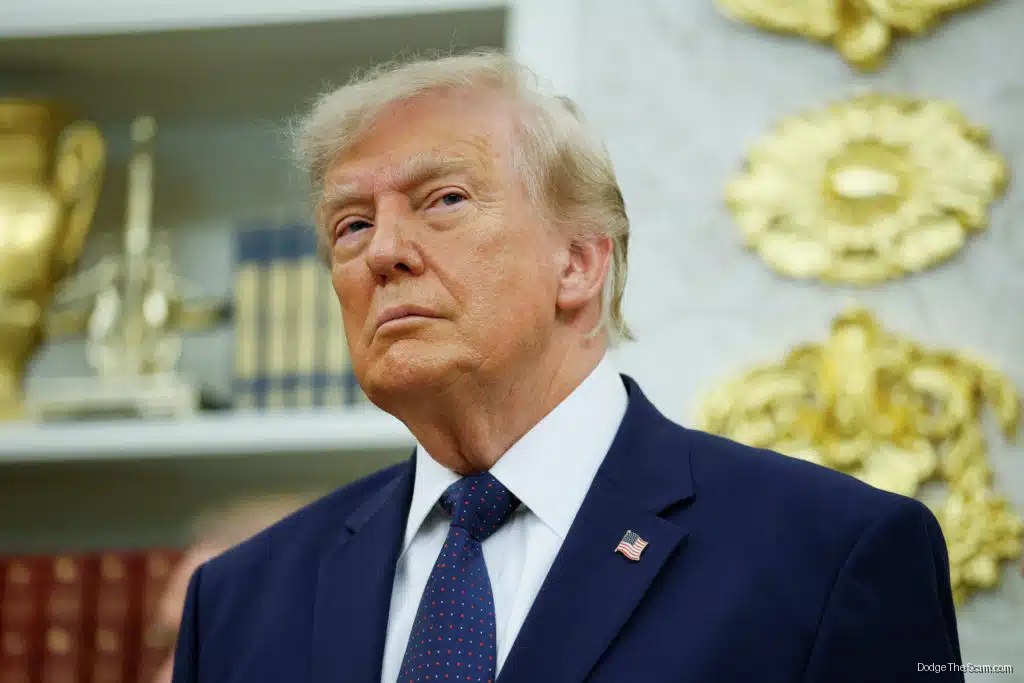
Trump’s financial disclosure, filed with the Office of Government Ethics, has effectively turned a crypto market structure bill into a referendum on presidential self-dealing. Records show Trump earned more than $1.4 billion from crypto-related businesses in 2025, including roughly $635 million in licensing royalties tied to the TRUMP memecoin, over $500 million from World Liberty Financial token sales, and separate holdings in Bitcoin, Ethereum, and the family’s USD1 stablecoin. The CLARITY Act, designed to create the first comprehensive US digital asset market framework, now cannot move without confronting the fact that the president profits directly from the industry it would regulate.
The timing is genuinely awkward in a way that goes beyond optics. The assets Trump disclosed, memecoins, governance tokens, and a family stablecoin venture, are precisely the categories the CLARITY Act is meant to bring under regulatory oversight. Republicans hold 53 Senate seats, but with Senators Hawley and Rand Paul expected to vote against the bill, leadership needs between seven and nine Democratic votes to reach 60. They currently have two: Ruben Gallego of Arizona and Angela Alsobrooks of Maryland, both of whom now say their floor votes depend on stronger ethics provisions preventing elected officials from profiting off assets they help regulate. The White House has opposed those provisions directly, which means the two Democrats whose votes are essential are being asked to pass a bill that explicitly protects the president’s ability to do what prompted their objection.
The July 4 signing deadline the White House had targeted has already passed.
Senators return from recess on July 13, leaving a narrow window before August 7 to resolve a standoff that has no obvious compromise available. Galaxy Research has cut its estimated passage odds to 50 percent, and prediction markets have moved in the same direction. If the bill fails to clear before the August recess, the legislative calendar pushes any realistic vote into the next Congress, meaning 2027 at the earliest. For an industry that has spent years and considerable lobbying capital on this specific bill, that is not a delay, it is a reset. The broader implication is that US crypto regulation remains hostage not to technical disagreement about market structure, but to a conflict of interest that the administration created and has declined to resolve.




0 Comments