Strait of Hormuz Deal Collapses Over Oil Transit Fees
What You Need to Know
- Washington and Tehran closer to framework agreement than any point since late February conflict began.
- Pakistan expects electronic signing within 24 hours; Iran denies any agreed timeline exists.
- Strait of Hormuz closure since February caused largest energy market supply shock in years.
- Draft deal involves U.S. unfreezing Iranian assets and lifting oil sanctions for waterway reopening.
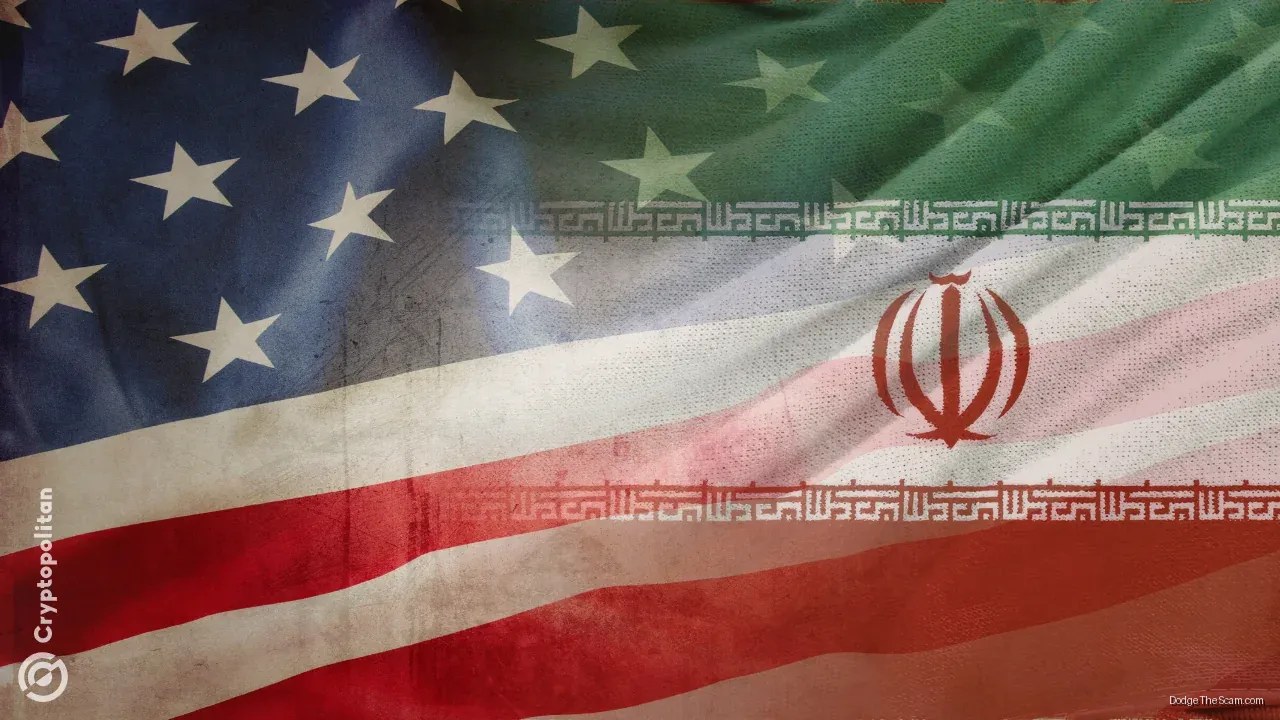
Peace talks between Washington and Tehran are closer to a framework agreement than at any point since the conflict began in late February, but the gap between Pakistani optimism and Iranian caution is wide enough to swallow a signing ceremony whole. Prime Minister Shehbaz Sharif said Saturday that an electronic signing was expected within 24 hours; Iran’s Foreign Ministry responded within hours that no such timeline exists.
The core economic logic of a deal is visible in the oil price movement. Brent crude dropped to around $87 a barrel on Saturday, with U.S. futures settling near $84, as markets priced in some probability of the Strait of Hormuz reopening to commercial shipping within 30 days. That strait carried roughly 20% of global oil supply before the conflict, and its closure since late February has been the single largest supply shock to energy markets in years. The draft terms, as described by sources briefed on the agreement, would have the U.S. unfreeze Iranian assets and waive oil export sanctions in exchange for reopening the waterway. But Iranian Foreign Minister Araghchi said Friday that Tehran intends to charge a “service fee” for ships transiting the strait and that its leverage over the passage remains permanent, which is a materially different deal than the one U.S. officials described to Reuters.
The nuclear question is the part both sides are pretending they can defer. The proposed 60-day negotiation window on Iran’s enrichment program is not a resolution; it is a postponement of the hardest disagreement, and the gap is not procedural. A U.S. official told Reuters the end state requires dismantling Iran’s enrichment capability and destroying its highly enriched uranium stockpile. Iran has not accepted any version of that.
What a Partial Deal Actually Does
Even a limited agreement, one that reopens the strait without resolving the nuclear file, would have immediate downstream effects on energy markets, inflation expectations, and Federal Reserve rate calculus. Lower energy costs flowing through to CPI data in the second half of 2026 would give the Fed more room than it currently has. Senator Lindsey Graham’s warning that the terms described by Iranian state media would be “awful” signals that any deal soft on enrichment will face serious domestic opposition in Washington, which creates its own ratification risk regardless of what gets signed electronically.
Israel’s decision to stay outside the memorandum of understanding entirely is the variable that no timeline accounts for. Active drone exchanges near the strait continued even as diplomats signaled progress Friday, and a ceasefire that effectively collapsed this week after both sides resumed strikes is not a stable foundation for a 60-day extension. Treasury Secretary Scott Bessent predicted resolution “as soon as this weekend or Monday.” That kind of precision from a cabinet official either reflects genuine confidence in the back-channel progress or is itself a pressure tactic. The next 48 hours will make clear which.




0 Comments