SpaceX Shares Fall 8% as Options Traders Flood Tiny Float
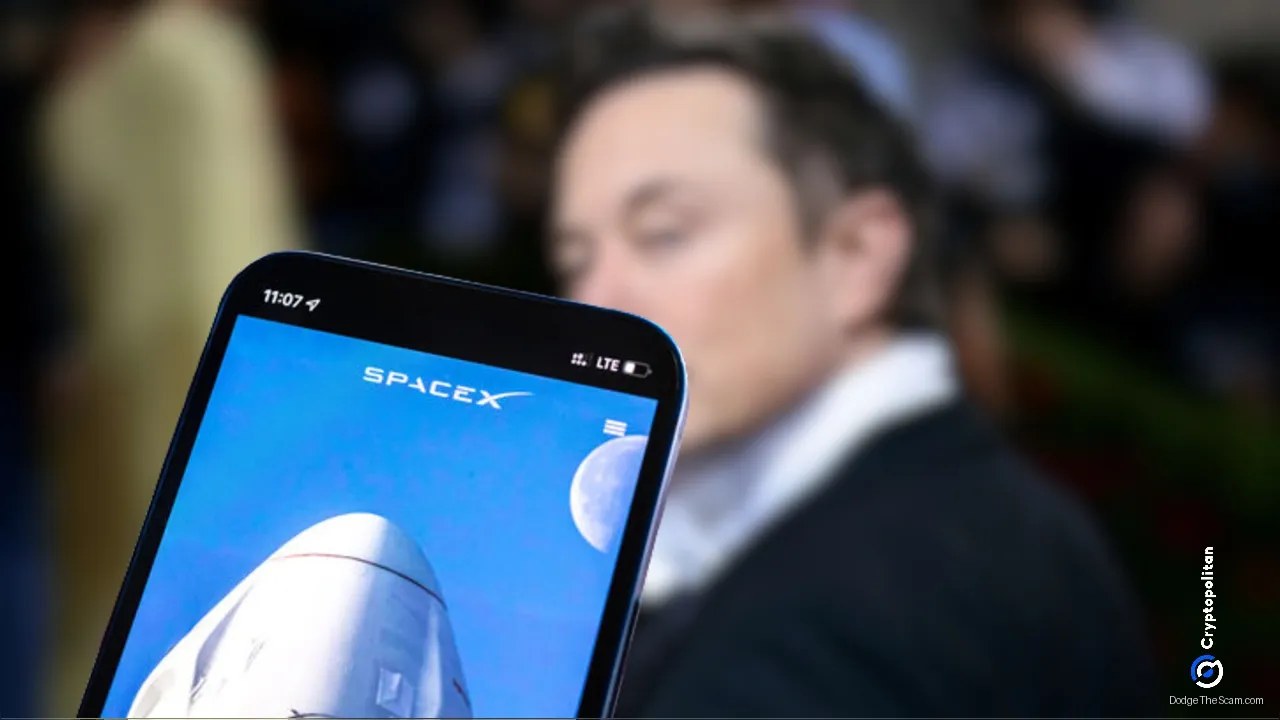
What You Need to Know
- SpaceX shares fell 8% after opening week surge briefly exceeded Amazon’s market value.
- Only 640 million of 13 billion shares trade publicly, creating constrained float conditions.
- Options volume hit 1.26 million contracts on third trading day, dominated by short-term positioning.
- Stock remains 37% above $135 IPO price despite recent pullback from peak levels.
SpaceX shares have pulled back roughly 8% over two sessions after an opening run that briefly made it more valuable than Amazon, and the retreat has a straightforward explanation: the float is tiny and the unlock calendar is already visible. Only around 640 million shares trade publicly against a total share count of roughly 13 billion, meaning less than 5% of the company is actually in circulation. When the easy momentum from debut week fades, a stock with that kind of constrained early float becomes hostage to whatever is driving short-term positioning.
The options market is doing a lot of that driving right now. Thursday was only the third day of options trading on SpaceX, yet volume hit 1.26 million contracts, split almost evenly between calls and puts, with same-day expiry contracts accounting for more than 58% of total activity. Susquehanna placed SpaceX third across all equities for options volume, behind only Nvidia and Tesla. That kind of immediate derivatives saturation is not a sign of long-term conviction; it is a sign that traders are using a low-float, high-profile stock as a volatility instrument while the window is open. The dynamic is familiar from other high-profile listings where retail and short-term options flow dominated early price discovery, often producing sharp reversals once the initial positioning unwound.
The stock is still roughly 37% above its IPO price of $135, which means the pullback is a compression of excess, not a rejection of the listing.
The more consequential number is not the current price but the upcoming unlock. Once SpaceX publishes second-quarter earnings, either 20% or 30% of currently locked shares become eligible for sale, with additional tranches expected through the rest of the year. That creates a structured supply overhang that any serious holder has already modeled. Elon Musk controls over 82% of voting rights and holds stock valued above $1 trillion, so the governance picture is unlikely to shift regardless of how the float expands. The addition of Roelof Botha as an independent director increases the board to eight members but does not alter that control structure in any practical sense.
Musk posted on X before the pullback began that SpaceX might reach approximately $1 trillion in revenue by 2030. That figure will now be tested against a more skeptical market, with investors weighing a $2.44 trillion current valuation against a revenue target that is still six years out and explicitly approximate.




0 Comments