Skyroot Targets July 2026 for India’s First Private Orbital Launch
What You Need to Know
- Skyroot Aerospace plans July-August 2026 launch of Vikram-1, India’s first private orbital rocket.
- Vikram-1 uses four stages: three solid-fuel motors and one liquid-fuel engine with 3D-printed components.
- India’s private space sector grew to roughly 400 startups after government opened sector in 2020.
- Indian space startups collectively raised $730 million, with quarter arriving in past year alone.
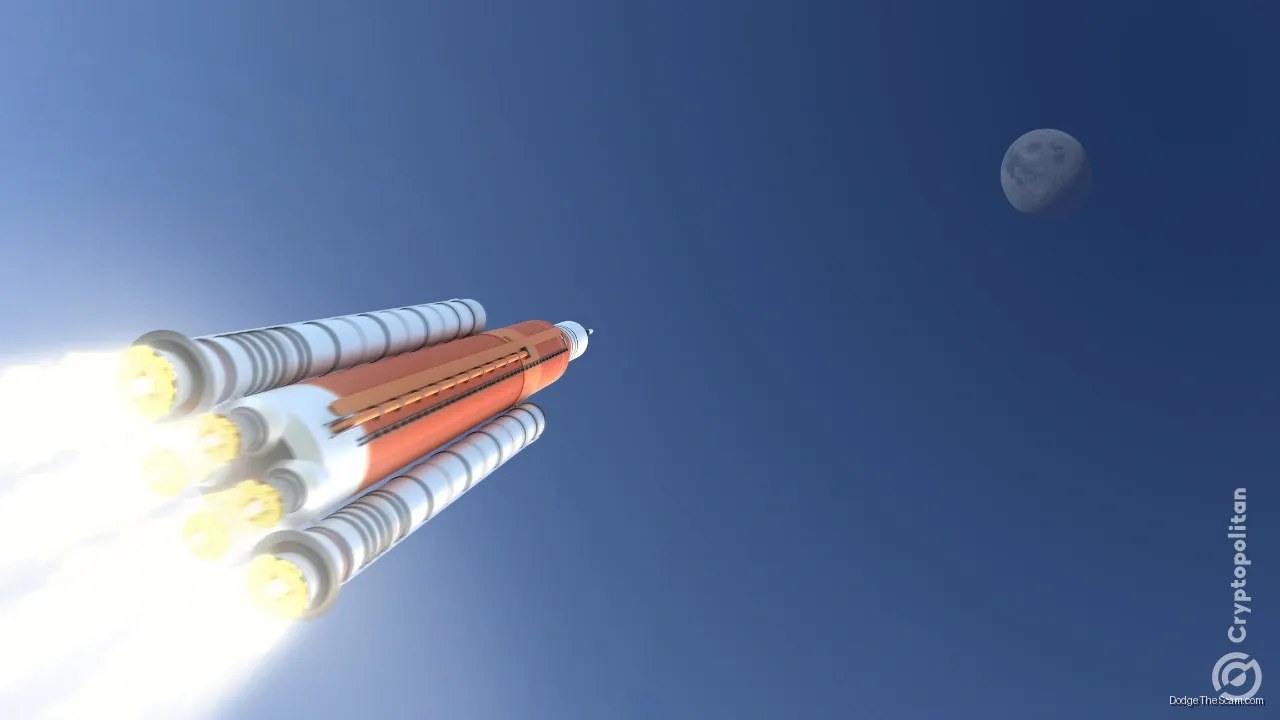
Skyroot Aerospace is targeting a July 12 to August 4, 2026 launch window for Vikram-1, a privately developed orbital rocket that would be the first of its kind to lift off from Indian soil. If it reaches orbit, India joins a short list of countries where a private company has done what only national agencies could do before.
The mission, called Aagaman, is explicitly a data-gathering exercise: Skyroot wants acoustic vibration readings, thermal stress measurements during supersonic ascent, and stage separation dynamics that ground simulations cannot replicate. That framing matters. It sets expectations correctly and positions a partial success, say, clean stage separation data even without full orbital insertion, as still useful. The rocket itself is a four-stage vehicle combining solid-fuel Kalam-series motors for the first three stages and a liquid-fuel Raman-I engine for the fourth, built around an all-carbon composite airframe with 3D-printed engine components. Skyroot’s backers include GIC and BlackRock, and the company’s CEO Pawan Kumar Chandana has said more test launches are planned before commercial operations begin. The payload capacity tops out at 350 kg to low Earth orbit, which puts Vikram-1 squarely in the small-satellite market that has grown rapidly as constellation economics have changed.
India’s private space sector registered roughly 400 startups after the government opened the sector in 2020, and about 260 of them have collectively raised $730 million, with a quarter of that arriving in the past year alone.
Skyroot is not operating in isolation. GalaxEye launched a sensor-fusion satellite on a SpaceX Falcon 9 in May, and Pixxel counts NASA and Rio Tinto among its hyperspectral imaging clients. The ecosystem is real, but the scale gap with established players is not a rounding error. SpaceX flew 165 Falcon 9 missions in 2025, more than every other launch provider on Earth combined, while ISRO has completed 105 total launches since 1979. Pawan Goenka, who chairs India’s space authorization agency, acknowledged the position plainly: “Frankly, we are late to the party.” The more interesting signal is that India’s government is now actively accelerating technology transfer from ISRO to private companies, which suggests the policy environment is shifting from permissive to actively promotional.
The government’s June 21 backgrounder outlined Gaganyaan crewed spaceflight, a national space station target for 2035, and a crewed lunar landing goal for 2040. Jio Platforms is also reportedly considering a low-orbit constellation of more than 1,600 satellites to compete with Starlink domestically. Whether any of that materializes depends, in part, on whether Vikram-1 clears the atmosphere first.




0 Comments