San Antonio Mandates Fraud Warnings at 193 Crypto Kiosks After $39M in Losses

What You Need to Know
- San Antonio passed ordinance requiring fraud warning signs at all 193 crypto kiosks by July 1.
- Police recorded 660 scam reports and $39 million in losses from January 2024 to April 2026.
- Scammers impersonate law enforcement, create urgency, and keep victims on phone during crypto deposits.
- Bitcoin Depot filed Chapter 11 bankruptcy after Q1 2026 revenue dropped 50% year-over-year.
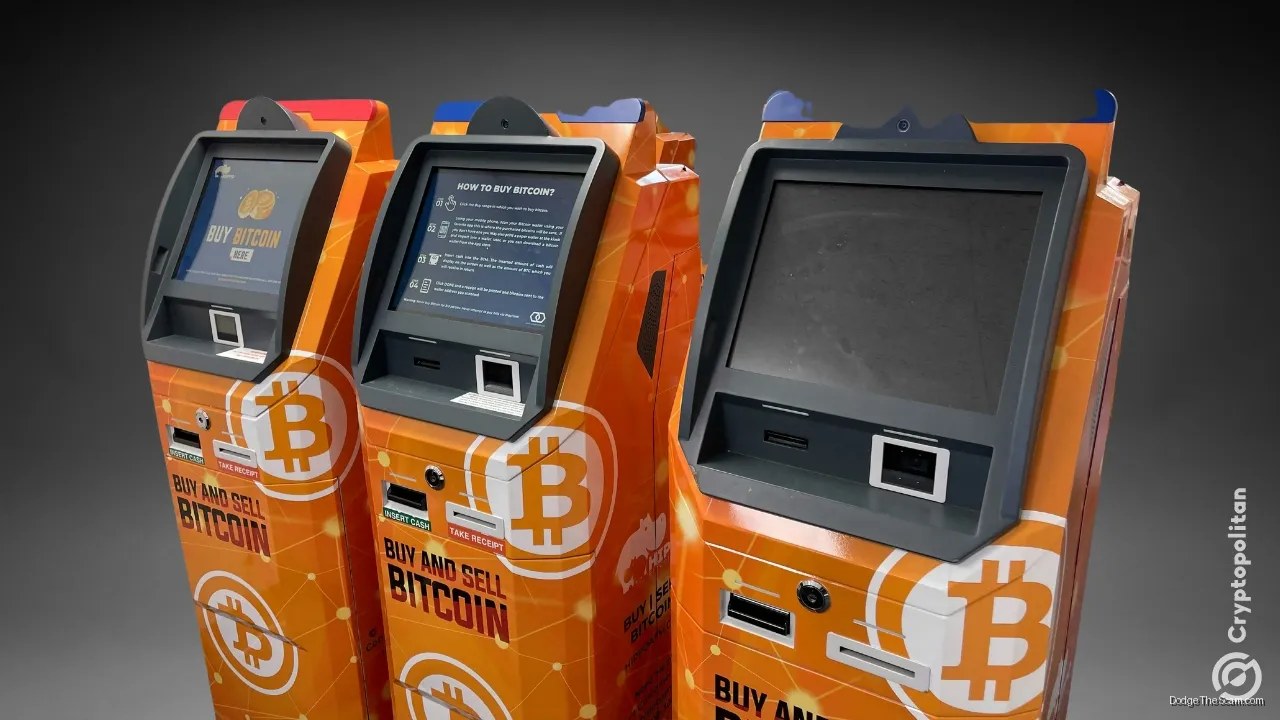
San Antonio has passed an ordinance requiring fraud warning signs at every crypto kiosk in the city, targeting what police describe as 660 scam reports and roughly $39 million in losses recorded between January 2024 and April 2026. The signs go live July 1 across 193 kiosk locations, more machines than Dallas, Fort Worth, or Austin combined.
The scam pattern SAPD describes is not new, but the scale is striking: a caller impersonates law enforcement or a utility company, manufactures urgency, and keeps the victim on the phone through the entire deposit so no one else can intervene before the funds convert and move. Nearly 38% of identified victims were 66 or older, though the range ran from teenagers to a 90-year-old. Four individual cases exceeded $1 million each, which means the headline $39 million figure is not driven purely by high-volume, low-value fraud. The kiosk format is the mechanism that makes this work: it removes the friction a bank teller would introduce, replacing human judgment with a phone caller’s instructions.
The regulatory pressure arriving here is not symbolic. Bitcoin Depot, which operates more than 9,000 crypto ATMs across North America, filed for Chapter 11 bankruptcy in May after its Q1 2026 revenue fell roughly 50% year over year, and the Massachusetts Attorney General had already sued the company over scam-linked transactions.
San Antonio’s ordinance is local, but the trajectory points toward something broader. Smith County Sheriff Larry Smith met with state legislators this week to lobby for a statewide Texas ban, and Indiana, Tennessee, and Minnesota have already moved in that direction at the state level. The fine structure in San Antonio, $100 to $500 per violation per day, is modest enough that large operators could absorb it, but the combination of municipal signage mandates, state-level ban advocacy, and active litigation against major kiosk operators creates a compounding compliance burden that the industry’s financials suggest it is poorly positioned to absorb right now.
The operators most exposed are the ones running high-density urban deployments in states without preemptive legislation, and Texas, with its concentration of machines, is now the clearest battleground. If the statewide push gains traction in the Texas legislature, the kiosk business model in one of its largest markets faces something closer to an existential question than a regulatory nuisance.





0 Comments