OpenAI Proposes $43B Equity Transfer to US Government as IPO Shield

What You Need to Know
- OpenAI proposes transferring 5 percent equity stake to US government, valued at approximately $43 billion.
- Sam Altman suggests broader structure where major AI companies contribute 5 percent equity to shared public fund modeled on Alaska Permanent Fund.
- Proposed arrangement positioned as public dividend to avoid formal regulation ahead of anticipated OpenAI and Anthropic IPOs.
- Trump administration has accumulated $21 billion across 16 corporate equity positions since taking office.
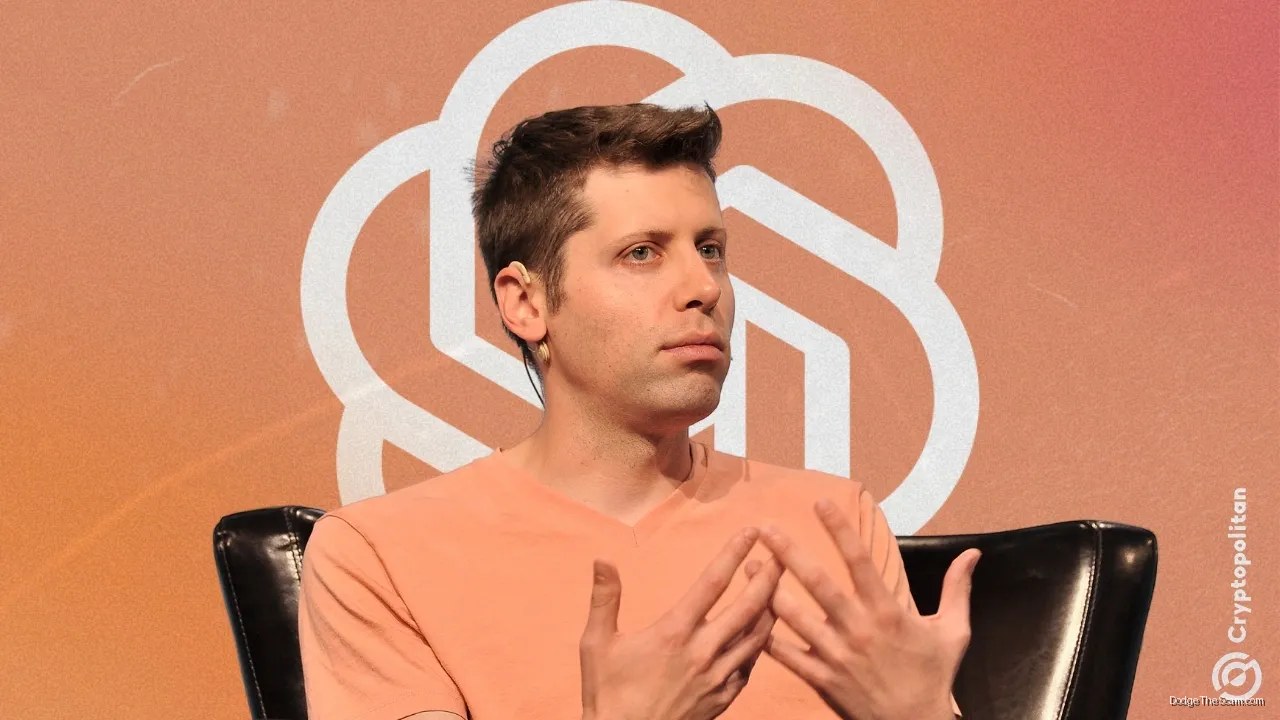
OpenAI is in active discussions with the Trump administration about transferring a 5 percent equity stake to the US government, a position that would be valued at roughly $43 billion based on the company’s current estimated worth of $852 billion. The proposal, as reported by the Financial Times, is being carried directly by Sam Altman into conversations with Commerce Secretary Howard Lutnick and Treasury Secretary Scott Bessent.
The structure Altman is proposing extends beyond OpenAI. The concept involves a broader vehicle where leading US AI developers, potentially including Anthropic, Alphabet through Google, and Meta Platforms, each contribute 5 percent of their equity into a shared public fund modeled loosely on the Alaska Permanent Fund, which distributes oil revenue to state residents. That framing is deliberate: it positions the arrangement as a public dividend rather than a regulatory concession, which matters considerably ahead of anticipated IPOs for both OpenAI and Anthropic. Both companies have already faced US reviews that slowed their newest model rollouts, and some Trump advisers have been pushing for tighter sector rules. A government equity stake, structured correctly, could neutralize that pressure without triggering formal regulation.
The Trump administration’s appetite for corporate equity is already established, not theoretical.
Since taking office, the administration has accumulated roughly $21 billion across 16 corporate positions, converting federal support into equity stakes in companies including Intel, MP Materials, L3Harris, and GlobalFoundries. Five of the eight publicly named positions are currently outperforming the S&P 500, with the Intel stake alone tracking a reported 370 percent gain after a CHIPS Act grant was restructured into shares at $20.47 each. That track record gives the White House a concrete incentive to pursue the AI equity conversation seriously, and it gives Altman a counterpart that has already demonstrated it knows how to negotiate these terms. The political optics of owning a piece of the companies competing globally with Alibaba and others for AI dominance are not lost on either side.
Senator Bernie Sanders has pushed for something far larger, closer to 50 percent public ownership of major AI companies through a sovereign wealth fund, which sets a useful ceiling that makes the 5 percent figure look moderate by comparison. OpenAI’s nonprofit arm said in May that society may need systems giving people “durable stakes” in AI-driven value creation, language that reads less like philanthropy and more like pre-IPO positioning. The question for any prospective public investor is whether a government equity vehicle actually delivers that, or whether it functions primarily as political insulation for companies about to go public at trillion-dollar valuations while regulatory frameworks for the broader tech sector remain contested.





0 Comments