Oil Prices Drop as Hormuz Tanker Traffic Resumes, Easing Inflation Pressure

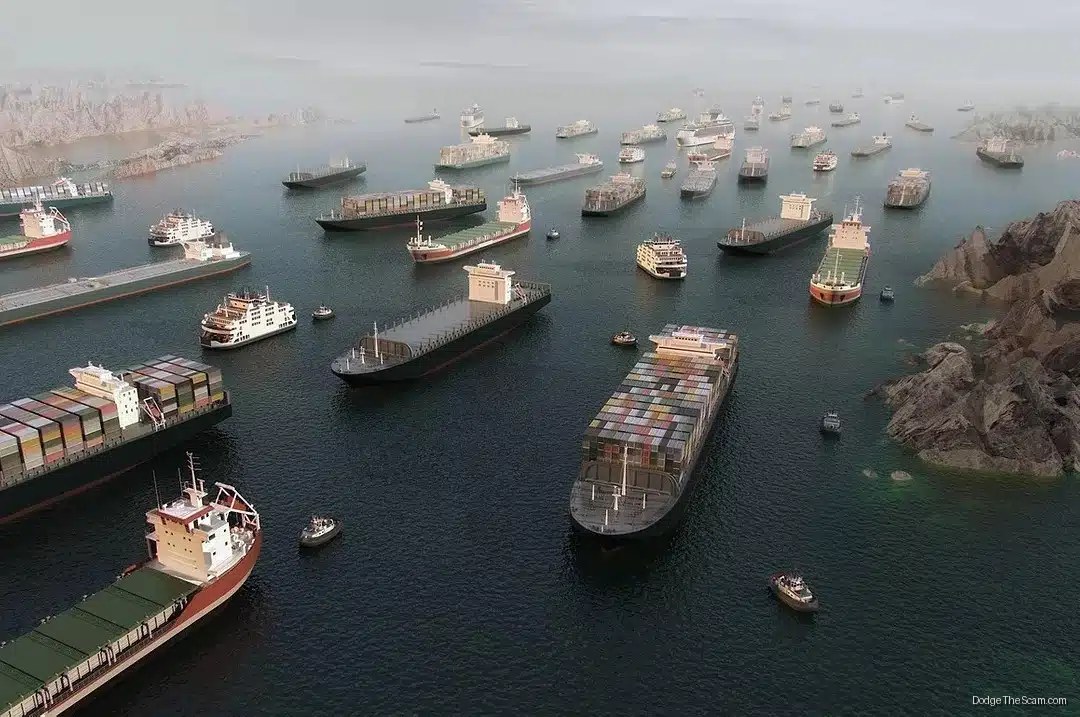
What You Need to Know
- Brent crude fell to $71 per barrel, lowest since February, due to resumed Hormuz tanker traffic.
- Strait of Hormuz carries one-fifth of global daily oil supply; normalized flows rapidly repriced geopolitical risk.
- Fed Chair Warsh linked falling oil prices to declining inflation expectations in recent economic assessments.
- Lower energy costs are already visible at fuel stations, influencing political sentiment around inflation.
Brent crude settling near $71 per barrel marks the softest oil pricing since February, driven by resumed tanker traffic through the Strait of Hormuz and advancing US-Iran diplomatic talks. The move is not incremental. It represents a rapid repricing of geopolitical risk premium that had been baked into energy markets for months.
The Strait of Hormuz carries roughly a fifth of global oil supply on any given day, and when that corridor tightens, markets price in disruption fast. The reverse is equally abrupt. As tanker flows normalized, the supply surge hit trading floors before producers could coordinate a response, accelerating the Brent slump. CITIC Securities had warned recently that markets were underpricing Hormuz disruption risk, which makes the speed of the reversal sharper in hindsight. The pattern echoes 2019, when Saudi Aramco infrastructure attacks briefly spiked crude before diplomacy and spare capacity absorbed the shock within weeks.
The consumer-facing effect is already visible at fuel stations, which is the part of an oil price story that actually moves political sentiment.
What This Means Beyond the Pump
Fed Chair Warsh, according to the source, has flagged falling inflation expectations in recent weeks and connected that partly to declining oil values. That framing matters because headline CPI has remained stickier than central bank targets for much of the past two years, and energy is one of the few inputs that moves fast enough to shift monthly readings meaningfully. If Hormuz flows remain steady and the diplomatic progress holds, the disinflationary impulse could give the Fed more room on rate timing than markets were pricing a month ago. That is a macro signal with downstream effects on risk assets broadly, including crypto, which has tracked rate expectations closely since 2022.
Analysts caution that volatility may persist, and that caveat carries weight. The Brent drop toward $71 reflects sentiment shifting on diplomacy, not a structural change in production capacity or OPEC+ output policy. Producers are now evaluating output strategies in a softer pricing environment, and any reversal in the US-Iran talks would likely unwind a meaningful portion of this move quickly. The relief is real but it is resting on a single geopolitical variable that has reversed before.





0 Comments