Kalshi Gave Trump Jr. $300K Equity Before CFTC Dropped Appeal
What You Need to Know
- Trump Jr. received $300,000 in Kalshi equity without personal investment on January 13, 2025.
- Kalshi’s valuation rose to $40 billion from $22 billion after CFTC dropped appeal against political contracts.
- Trump Jr. holds advisory and financial roles at both Kalshi and Polymarket prediction platforms simultaneously.
- Prediction market value depends heavily on Trump’s unpredictability, creating insider trading concerns for political events.
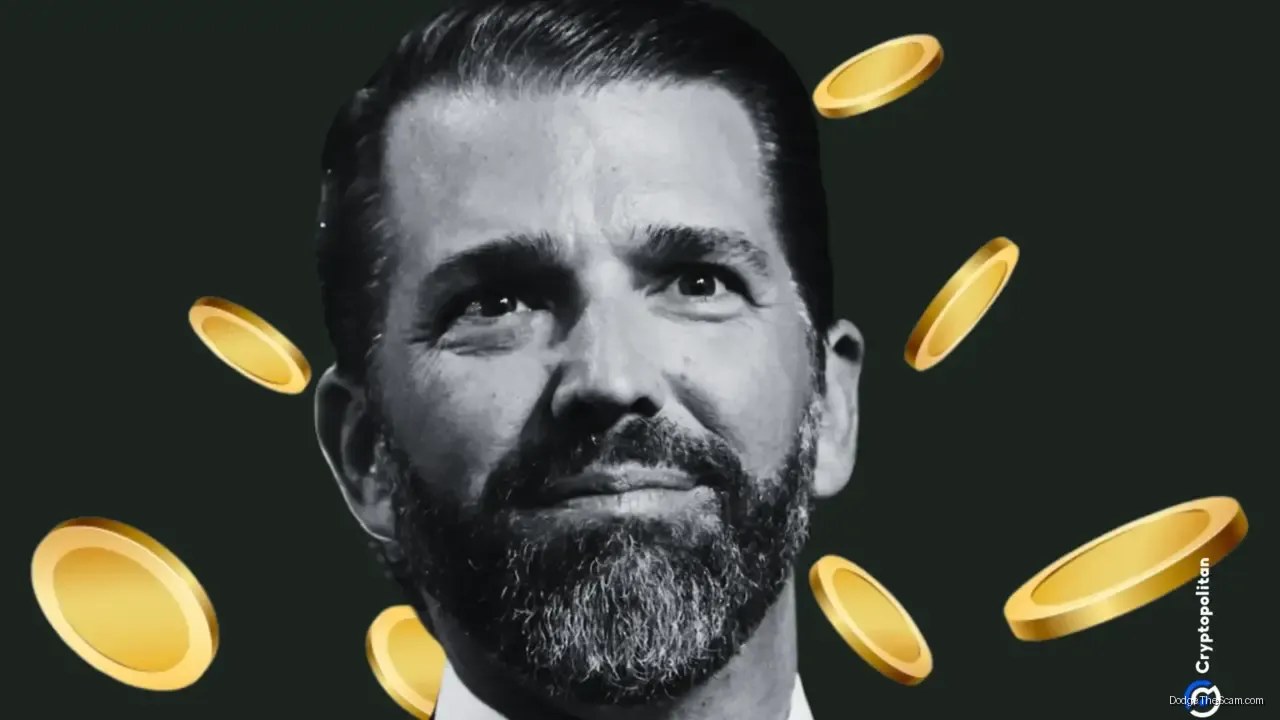
Donald Trump Jr. received roughly $300,000 in Kalshi equity after joining the prediction market platform as a strategic adviser on January 13, 2025, putting none of his own money in. With Kalshi now in talks to raise at a $40 billion valuation, up from $22 billion in a prior round, that stake has grown substantially.
The structure here is worth examining carefully. Trump Jr. joined Kalshi two months before the CFTC dropped its appeal against the company’s congressional race contracts in May 2025, and the same administration later ended a Justice Department probe into competitor Polymarket. His venture firm then made an estimated double-digit million-dollar investment in Polymarket in August 2025, placing him in advisory and financial roles at both of the country’s largest prediction platforms simultaneously. Kalshi holds over $129 million in political wagers; Polymarket holds approximately $90 million. The CFTC chair, Michael Selig, was a Trump appointee and a stated proponent of federal authority over state-level gambling restrictions, which several states are now invoking to shut these platforms down. The regulatory tailwind and the family’s financial positioning arrived together.
A Virginia Tech economist who studies prediction markets put it plainly: “Trump is the guy. He makes the market possible. He’s so unpredictable.”
That unpredictability is not incidental, it is the product being monetized. Critics have raised a specific and concrete concern: insiders with advance knowledge of a presidential announcement, a congressional vote, or a troop movement could place large bets before the information goes public, and the payout structure would reward exactly that kind of leak. The developer liability provisions debate playing out in parallel crypto legislation reflects a similar tension between federal deregulatory momentum and law enforcement concerns about financial platforms being used to extract value from privileged access. CME Group has already sued the CFTC over Kalshi’s license, citing the Trump family’s ties directly.
Kalshi’s IPO plans reportedly involve no crypto tokens, a deliberate choice to present the company as a conventional financial exchange rather than a crypto-adjacent platform. The complete terms will appear in subsequent SEC filings, and those disclosures will determine how much of the valuation and ownership structure becomes public before any listing.



0 Comments