Hormuz Toll Waiver Opens 60-Day Window for Oil Price Relief
What You Need to Know
- Iran opened toll-free transit corridor through Strait of Hormuz for 60 days under US-Tehran agreement.
- Vessels must file transit requests 48 hours ahead and navigate around mined areas during corridor operation.
- Cheaper oil from restored tanker traffic could lower crude prices and shift Fed rate-cut expectations.
- Iran retains right to reinstate tolls after 60 days; geopolitical premium paused but not eliminated.
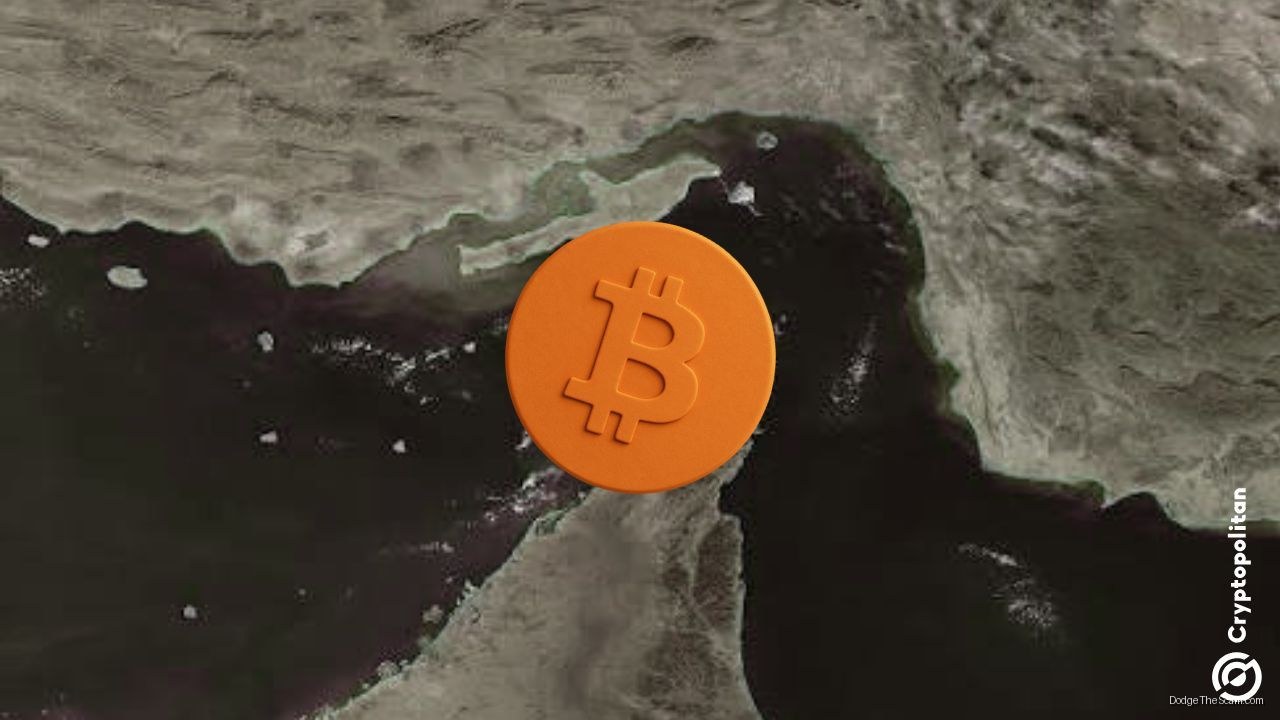
Iran’s Persian Gulf Strait Authority has opened a toll-free transit corridor through the Strait of Hormuz under a 60-day framework agreed between Washington and Tehran, effective today. Vessels must file transit requests 48 hours in advance and route around mined areas, but security, safety, environmental, and insurance fees are waived for the duration of the window.
The mechanism matters as much as the headline. The Hormuz disruption, which began when the US-Iran conflict escalated in late February, fed an energy shock that pushed global gas prices higher, embedded itself in headline inflation, and kept the Fed from pivoting toward easing. Risk assets, Bitcoin included, have been waiting on liquidity that the inflation read kept out of reach. A sustained return of tanker traffic through a chokepoint that handles roughly a fifth of global oil supply would pull crude prices lower, shift the market’s forward read on rate cuts, and restore some of the macro tailwind that has been absent since the war broke out. That is the transmission chain: cheaper oil, softer inflation, earlier easing, more appetite for risk.
The 60-day window pauses the geopolitical premium. It does not cancel it.
Iran retains the right to reinstate tolls once the clock expires. The IRGC maintains operational control of the corridor throughout. The mines that forced the rerouting in the first place are still in the water. What changed is the immediate cost of moving oil dropped to zero and the near-term supply shock risk came off the board, which is meaningful for positioning but is a defined window, not a structural shift. The broader diplomatic framework that produced this agreement remains fragile, and markets that price this as a resolution rather than a pause will be exposed if friction resurfaces before day 60.
For Bitcoin specifically, the war period created an unusual dynamic where geopolitical stress was simultaneously a headwind through inflation and a tailwind through the safe-haven narrative. A clean de-escalation removes both at once, which is not obviously net positive for price in the short term, but does restore the more familiar macro correlation where easing expectations drive risk appetite. The cleaner tells over the next two months are crude price direction and dollar behavior, since those are where rate expectations reprice before the signal reaches crypto. Any move to reimpose fees early, or evidence that tanker traffic is not recovering toward pre-war levels, would bring the premium back fast.



0 Comments