Entity List Shelved 100+ Chinese Firms Including DeepSeek to Preserve Trade Talks
What You Need to Know
- Trump administration shelved plans to blacklist DeepSeek and over 100 Chinese companies from Entity List.
- Commerce, Defense, Energy, and State departments approved DeepSeek and CXMT listings last year but unpublished them.
- DeepSeek referenced 150+ times in procurement records tied to China’s People’s Liberation Army, per State Department.
- Entity List has not been updated since October 2025, longest gap in over a decade.
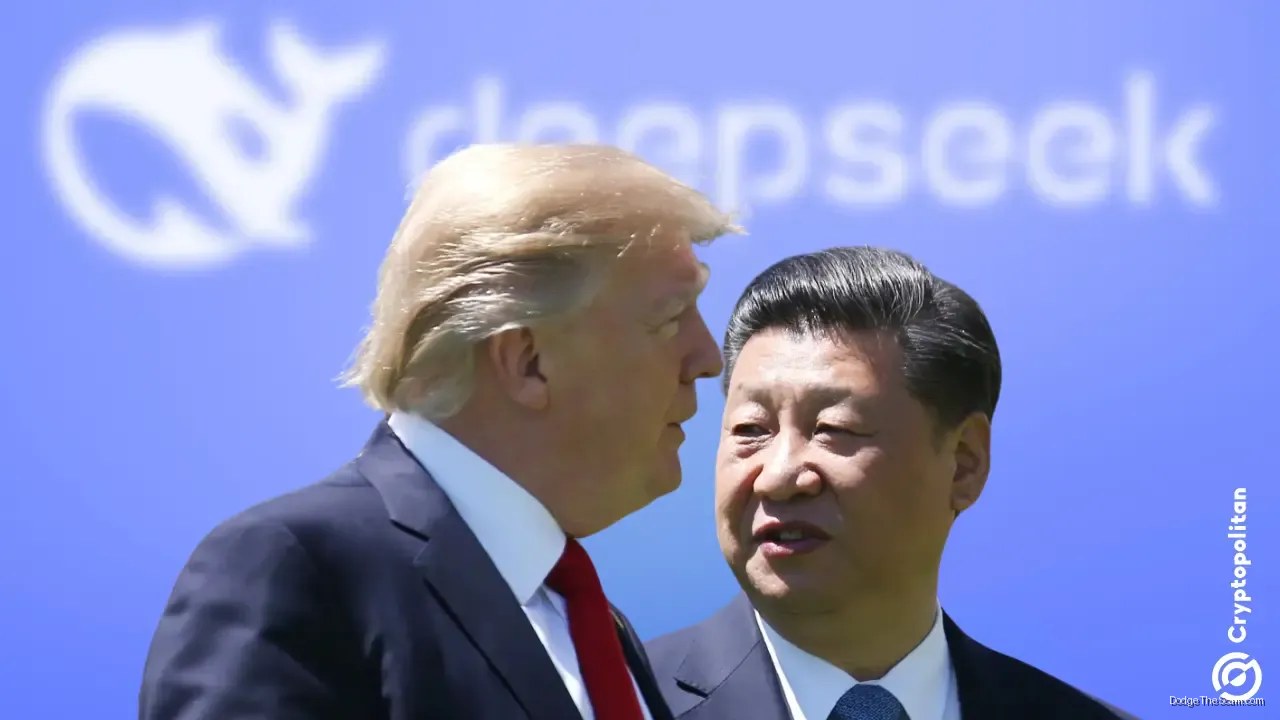
The Trump administration has quietly shelved plans to blacklist DeepSeek, Chinese memory chipmaker CXMT, and more than 100 other Chinese companies from the Commerce Department’s Entity List, choosing diplomatic caution over national security enforcement as trade negotiations with Beijing remain fragile.
The decision is striking given what the interagency process had already concluded. Officials from Commerce, Defense, Energy, State, and sometimes Treasury approved the DeepSeek and CXMT listings last year. The Commerce Department simply has not published them. The Entity List has gone without an update since October 2025, what Philip Luck at the Center for Strategic and International Studies called the longest gap in over a decade. Kevin Kurland, a former Commerce Department official, put it plainly: trade policy is now overriding a tool that was designed specifically to sit outside trade policy. That distinction matters because the Entity List is not a tariff lever or a negotiating chip. It is a national security instrument, and treating it as one creates a precedent that is difficult to walk back.
DeepSeek alone carries enough exposure to make the delay uncomfortable: it is referenced more than 150 times in procurement records tied to China’s People’s Liberation Army, according to a senior State Department official cited in the source reporting.
The queue of approved-but-unpublished listings is broader than the two headline names. At least 75 Chinese entities in advanced semiconductor production, chip manufacturing equipment, and AI modeling were cleared for blacklisting through the interagency process. Dozens more were identified for selling restricted Nvidia chips to Chinese universities. Several companies flagged for listing had supplied components found in Russian drones recovered in Poland last September. Each month those listings sit unpublished, the companies in question continue to operate with access to American supply chains they would otherwise be cut off from.
Jeffrey Kessler, Undersecretary of Commerce for Industry and Security, has reportedly driven the restraint since late 2025, seeking to avoid actions that could further escalate tensions with Beijing. Whether that calculus holds depends entirely on how trade talks develop, and the administration has already demonstrated it will subordinate this particular tool to that process when the pressure is high enough.



0 Comments