DeepSeek Develops Homegrown AI Chip as China Tightens Model Export Controls

What You Need to Know
- Beijing restricting overseas access to advanced Chinese AI models through discussions with Alibaba, ByteDance, and Z.ai.
- DeepSeek developing its own AI inference chip for approximately one year, expanding chip-design engineering teams.
- DeepSeek optimizing newer models for Huawei’s Ascend platform after export restrictions limited Nvidia hardware availability.
- Inference chips becoming higher-volume, higher-frequency workload where compute costs accumulate fastest for companies operating AI at scale.
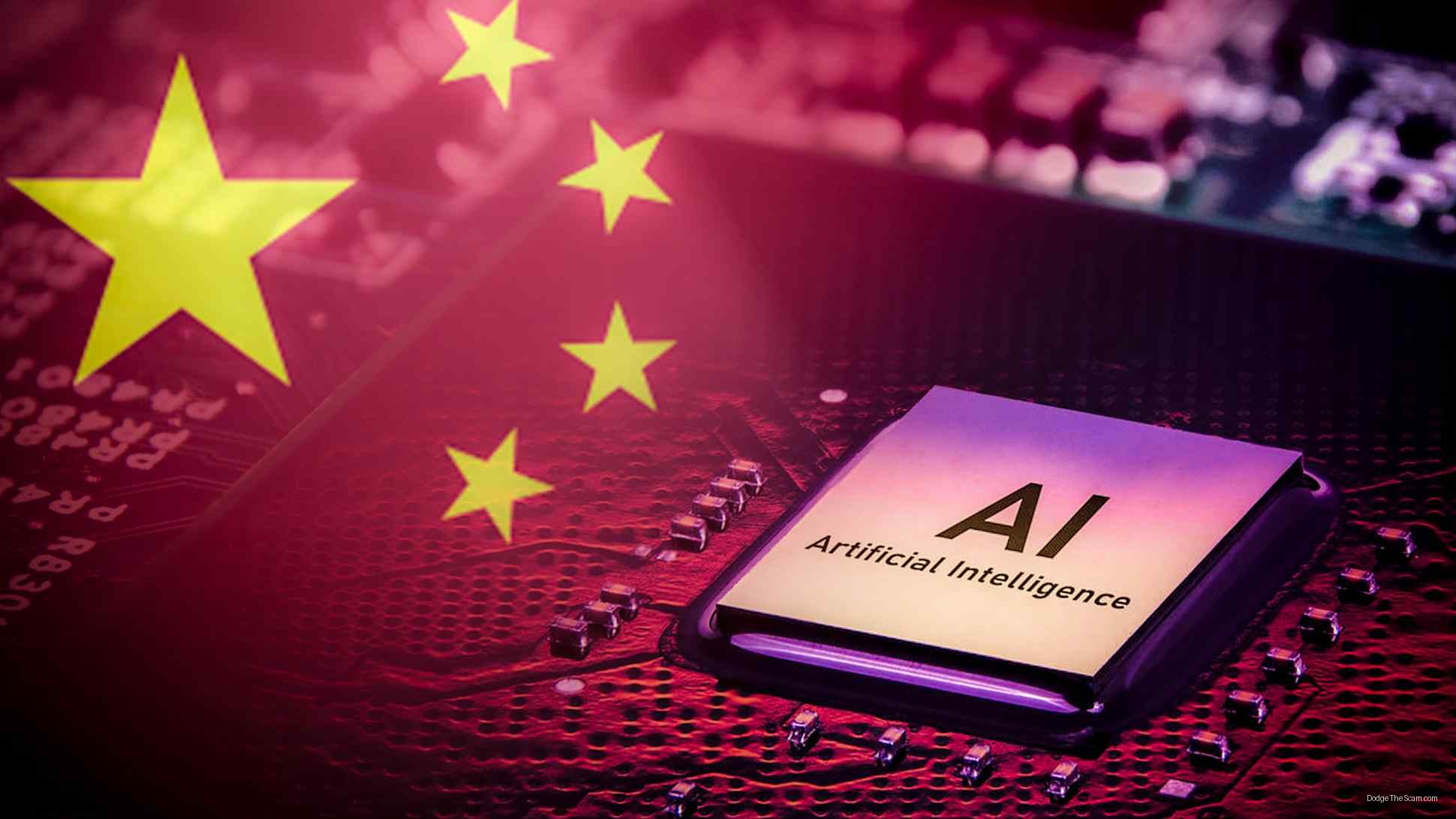
Beijing is moving on two fronts simultaneously. Chinese authorities have held discussions with companies including Alibaba, ByteDance, and Z.ai about restricting overseas access to advanced AI models developed in China, with proposals that may apply to future releases. Separately, DeepSeek, the Hangzhou-based startup that rattled Western AI markets earlier this year, has been quietly developing its own AI inference chip for roughly a year, expanding hiring for chip-design engineers and engaging foundry, memory, and semiconductor partners in the process.
The two developments are distinct but point in the same direction: China is treating AI as a strategic asset, and the architecture of control is being built at both the hardware and software layers at the same time.
Why Inference, Not Just Training
The chip DeepSeek is reportedly building targets inference, not training. That distinction matters. Training chips, the kind Nvidia’s H100 and H800 dominate, are used to build a model from scratch. Inference processors run the model after it has already been trained, generating responses at scale across search, chatbots, and enterprise applications. As AI deployment expands, inference has become the higher-volume, higher-frequency workload, and it is where compute costs accumulate fastest for any company running AI at scale.
DeepSeek’s R1 reasoning model was trained using Nvidia H800 chips before export restrictions tightened further. Since then, newer DeepSeek models have been increasingly optimized for Huawei’s Ascend platform. Export controls have progressively narrowed the hardware options available to Chinese AI developers, and each new restriction has accelerated domestic chip development rather than slowing AI progress. DeepSeek building its own inference silicon is the logical next step in that trajectory, not a surprise.
Beijing’s Software Controls Mirror Its Hardware Playbook
The proposed restrictions on overseas access to Chinese frontier AI models follow the same logic Washington applied to chips. The US has spent three years trying to slow China’s AI development by limiting access to advanced semiconductors. Beijing appears to be considering an analogous move: limiting what the rest of the world can access from China’s AI stack.
The timing is awkward for Washington. The Trump administration has simultaneously loosened some chip export restrictions, creating policy tension that Chinese firms are watching closely. If Beijing formalizes controls on model exports, it would mark a structural shift from a period when Chinese AI labs competed openly for global developer mindshare to one where advanced domestic models are treated more like classified infrastructure.
The proposed measures reportedly also include tougher penalties for AI technology leaks and additional scrutiny over funding for domestic AI startups. That last element is worth sitting with: Beijing is not just restricting outbound access, it is also tightening the conditions under which foreign capital can participate in Chinese AI development.
What This Restructures for Global AI Competition
For companies outside China that have been building on or benchmarking against Chinese models, a formal access restriction would force a re-evaluation of their dependency. DeepSeek’s open-weight releases had become a reference point for cost-efficient AI development globally. Restricting future releases would not erase what is already public, but it would close off the pipeline.
The broader AI startup ecosystem outside China has largely assumed that Chinese model development would remain at least partially open as a competitive signal. That assumption is now less reliable. If Beijing proceeds, the global AI landscape effectively bifurcates more cleanly than it already has, with Chinese frontier models becoming accessible primarily on terms Beijing sets, rather than terms the market negotiates.
The proposals are still under discussion and may not apply to existing models. But the direction of travel is no longer ambiguous.





0 Comments