Comcast 50% Off Scam Calls: How to Avoid, Report, and Stay Safe [2025 Guide]
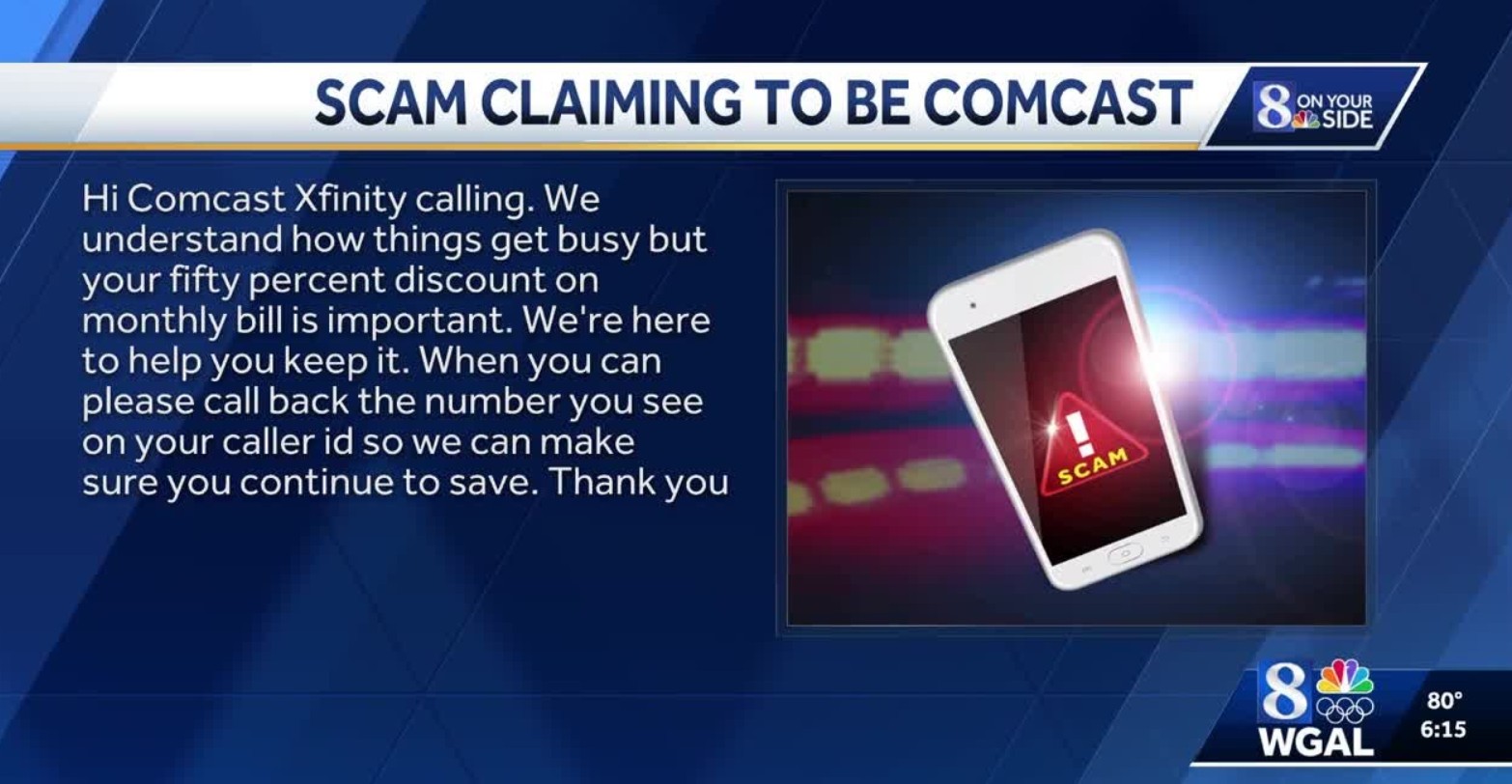
Scammers posing as Comcast or Xfinity agents are calling customers nationwide with an irresistible offer: 50% off your bill for six months. The catch? You must pay upfront through prepaid cards, gift cards, or wire transfers. These fake promotions have cost unsuspecting victims hundreds of dollars and exposed private information.
This all-in-one guide explains everything you need to know about the Comcast 50% off scam: how it works, how to identify red flags, what to do if you got scammed, and how to prevent future fraud. It also connects related scam patterns so you can recognize similar traps before they hit.
Table of Contents
What Is The Comcast 50% Off Scam Calls?
The Comcast 50% discount scam is a phone-based fraud where criminals impersonate real Comcast representatives. They contact victims by phone, text, or voicemail and claim that the company is offering a temporary promotion to loyal customers. The caller may sound professional, reference your name, or even quote your real billing amount, which makes the offer feel legitimate.
The scammer then instructs you to prepay several months of service using non‑traceable payment methods such as Apple or Target gift cards, Green Dot debit cards, or cryptocurrency. Once the payment is made, they vanish, leaving you with no discount and no recourse.
This exact playbook resembles the UPS Ground text scam, where attackers use fake delivery updates and payment confirmations to manipulate victims through urgency and false trust.
How Scammers Make Xfinity Scam Calls Look Real?
Fraudsters use advanced tools to make their fake calls appear legitimate. Caller ID spoofing allows them to display “Xfinity Support” or a local area code, making you more likely to answer. Some even use real Comcast hold music and internal-sounding scripts.
They often begin with small talk and then transfer you to a “supervisor,” creating the illusion of a structured call center. This technique mimics how fraud networks behind the 705 area code scam operate, combining local familiarity with psychological pressure to secure compliance.
Common traits include:
- Immediate offers that sound limited or urgent
- Requests for prepaid or non‑refundable payment
- Promises of credits or refunds after verification
- Demands for sensitive information like your account number or birth date
Red Flags That Identify a Comcast Scam Call
Recognizing the signs of this scam can help you hang up before it’s too late. Always assume a surprise discount call is fake until verified.
Here are the key red flags:
- The caller claims you must “prepay” several months to qualify
- You are told to use gift cards or cryptocurrency
- You’re pressured to decide within minutes
- The caller refuses to confirm your identity through official channels
- The phone number looks local or includes suspicious digits
These signals mirror the structure of other area code scams such as the 475 area code scam, where a single missed call can connect you to premium-rate lines that drain your balance instantly.
What To Do After Receiving a Comcast Scam Call?
If you get one of these calls, take the following steps right away:
- Hang up without engaging further.
- Do not share personal or financial details.
- Block the number from your device and carrier.
- Report the call to Comcast’s official fraud division.
- File a report with the Federal Trade Commission (FTC).
- Warn others in your household and neighborhood.
If you clicked on any suspicious links or suspect your device might be compromised, use a malware removal walkthrough like this guide on how to remove Fuq.coldfootage.com pop‑up virus. It shows step‑by‑step how to clean your browser and system from adware commonly bundled with scam content.
What to Do If You Already Fell for the Comcast 50% Scam?
Victims who have already paid or shared private data need to act quickly to reduce losses and prevent identity theft.
Here’s what to do:
- Contact your bank or card issuer immediately and dispute the transaction.
- Freeze your credit with Equifax, TransUnion, and Experian.
- Change your Comcast account password and enable two‑factor authentication.
- Report the fraud to the FTC, local law enforcement, and Comcast.
- Monitor your email and accounts for new login alerts or unusual transactions.
If you received follow-up emails or payment confirmations from suspicious domains like “servicepaypal.com,” verify the sender using this detailed guide: Is servicepaypal.com legit or a scam?
How to Verify Real Comcast Promotions?
Comcast does sometimes run real promotions, but the process is different. Legitimate agents will never demand prepaid gift cards or ask for your full Social Security number over the phone. They will always direct you to log into your Xfinity account or check the official website.
If you are ever unsure about an offer, hang up and call Comcast directly using the customer support number printed on your billing statement. Never call back a number that contacted you first.
This verification habit is crucial because many scammers use the same psychological tricks found in large-scale impersonation schemes like the CRA tax scam, where fear and authority are exploited to make victims act fast without thinking.
How Phishing and Voice Scams Are Connected?
The Comcast 50% off fraud is part of a broader phishing ecosystem. In this case, phishing happens through voice (vishing), but the manipulation principles are identical: trust, fear, and urgency.
Text-based phishing campaigns follow the same playbook. For instance, the Amazon recall text message scam uses fake product recall alerts to trick victims into clicking malicious links that steal login details and payment data.
To strengthen your defense, it helps to understand the entire phishing landscape, how cybercriminals build fake websites, spoof brands, and automate SMS and phone campaigns. Learn more in this comprehensive phishing guide, which breaks down each attack type and how to spot it in time.
Why These Scams Are Increasing in 2025?
In 2025, phone-based impersonation scams have surged across North America. Criminal networks are using AI-generated voices, spoofed local numbers, and massive VoIP auto‑dialers to target specific service subscribers. Comcast and other large providers are frequently impersonated because of their millions of customers.
Attackers also sell stolen customer data on the dark web, which gives them just enough real information to sound convincing. Combined with prerecorded voice assistants, these scams feel more realistic than ever before.
How to Block and Report Comcast Scam Callers
While you can’t stop scammers from dialing, you can make your number less valuable to their lists.
Practical steps:
- Use your phone’s built-in call‑blocking and spam protection tools.
- Install third‑party detection apps such as Hiya or Truecaller.
- Register your number with the National Do Not Call Registry.
- Report suspicious calls to both Comcast and the FTC.
Consistent reporting helps authorities trace patterns and shut down the larger fraud rings behind them.
Long‑Term Scam Prevention Strategies
Protecting yourself from one scam means understanding the ecosystem that fuels them. Combine the following digital safety habits to lower your overall risk:
- Be skeptical of unsolicited calls, even when they reference your service provider.
- Keep your devices and antivirus software updated.
- Learn how to identify social engineering tactics used in phone, SMS, and email fraud.
- Educate your family members, especially seniors, about modern phone scams.
- Regularly check your online accounts and billing statements for inconsistencies.
Fraud tactics evolve constantly, just like malware. By maintaining awareness and updating your security practices, you can stay one step ahead.
Final Thoughts on the Comcast Scam Calls
The Comcast 50% off scam call is one of the most persistent and costly voice‑phishing attacks of 2025. It preys on trust, fear, and urgency to steal money and data from real customers. But understanding its patterns, staying cautious with payment requests, and verifying all offers through official channels can prevent you from becoming a victim.
If you ever feel unsure about a call, hang up, take a breath, and verify it yourself. Trust your instincts, not the caller’s pressure. Every time you question a suspicious offer, you take power back from the scammers.
FAQs
Is the Comcast 50% off call real or fake?
It’s a scam. Comcast does not ask customers to pay upfront using gift cards or demand urgent payment over the phone.
What should I do if I gave my information to a fake Comcast agent?
Immediately contact your bank, freeze your credit, change your Comcast account login, and report the incident to Comcast and the FTC.
How do scammers spoof Comcast phone numbers?
They use VoIP and spoofing software to make their caller ID appear legitimate, often showing “Xfinity” or a local number.
Can I report a Comcast scam call to Comcast?
Yes. Comcast has a dedicated page for fraud reporting. Forward details and screenshots to help their investigation.
Why are these scams becoming more common?
Scammers follow where the money is. As more people rely on digital and phone communications, social engineering scams have skyrocketed.

0 Comments