CFTC Faces Clarity Act Vote With One Commissioner and 21% Staff Loss
What You Need to Know
- Senate votes on Clarity Act as early as July 14 with CFTC severely understaffed.
- Clarity Act would give CFTC primary oversight of $2.2 trillion spot digital commodity market.
- CFTC operates with one commissioner and four vacant seats, down 21% staff overall.
- White House and Senate Democrats blame each other for unfilled CFTC commissioner positions.
The Senate is scheduled to vote on the Clarity Act as early as July 14, and the agency that would inherit the bulk of its enforcement mandate is operating with one commissioner, a staff that has shrunk by more than a fifth, and no confirmed path to a full bench before the vote.
That is not a procedural footnote. It is the central problem.
One Commissioner, a $2.2 Trillion Market
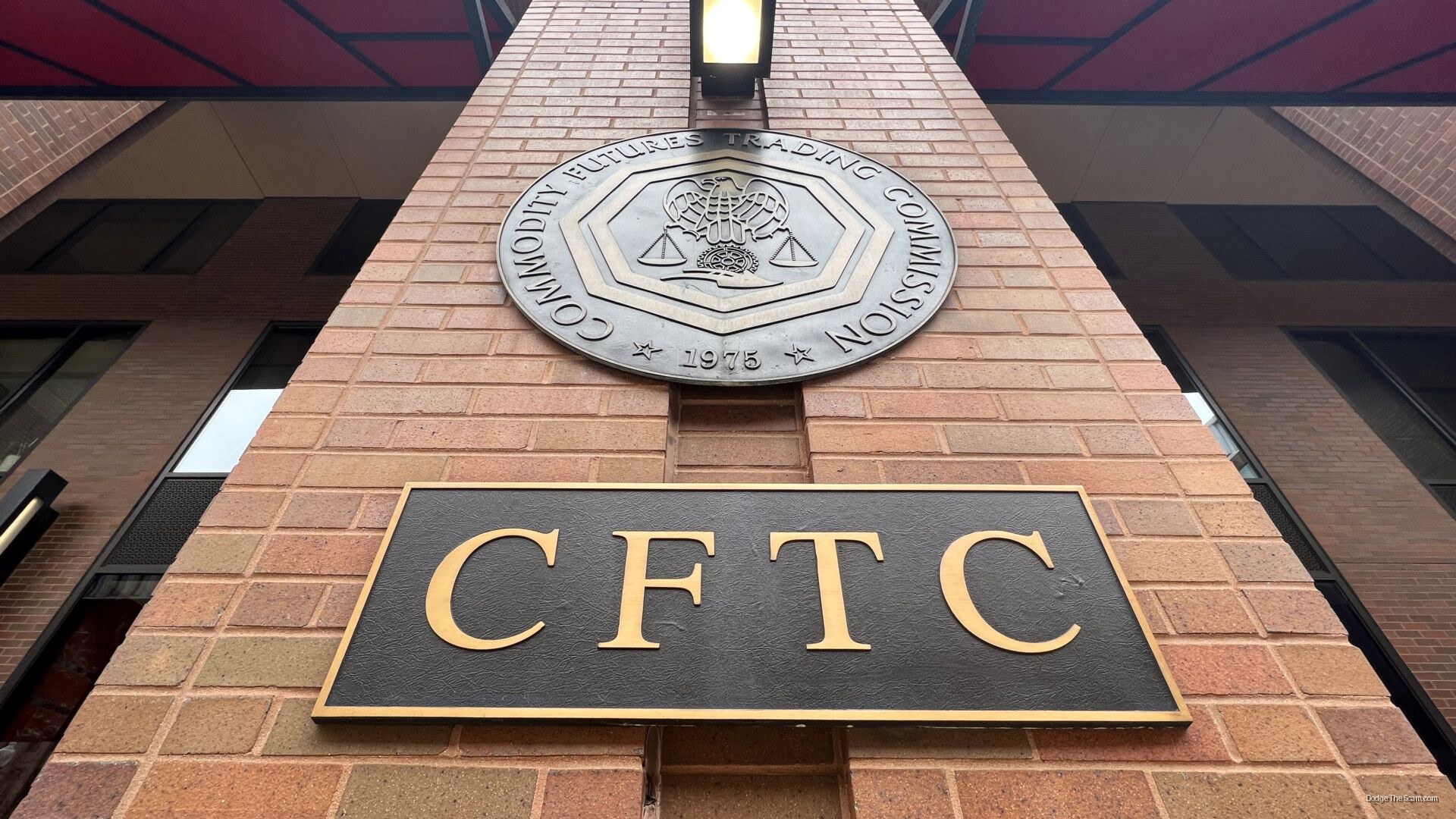
The Clarity Act would hand the CFTC primary oversight of spot digital commodity trading, covering a market the White House pegs at roughly $2.2 trillion in total value. The agency currently has one sitting commissioner: Michael Selig, a Republican, nominated for the chairmanship in October after the White House withdrew Brian Quintenz’s nomination in September. The other four seats are vacant. On Thursday, the White House and Senate Democrats traded letters blaming each other for the vacancies, with White House officials claiming they had asked Democratic leaders to recommend candidates for Democratic seats at both the SEC and CFTC and received no response. Democrats have accused the Trump administration of refusing to nominate commissioners to independent agencies. Neither side moved toward resolution.
The CFTC is already a small agency, roughly 543 employees compared to the SEC’s approximately 4,200, and has lost about 21% of its staff. House Agriculture Committee leaders Glenn Thompson and Angie Craig raised the capacity concern in a letter to Trump in May, but their more pointed argument was legal: rules issued by a single commissioner are structurally easier to challenge in court. A full five-member panel produces what they called “more durable rules,” and durability is exactly what global firms need before they commit to operating under a particular jurisdiction’s framework.
The Jurisdictional Race This Delay Is Losing
Senator Cynthia Lummis put the stakes plainly this week, writing on X that passing the Clarity Act is “likely our last chance to get real legislation for digital assets on the books before 2030,” and that failure means “another country will write the rules for digital assets and we spend the next decade catching up.” Selig made a similar point in a Fox Business interview, warning that inaction risks leaving foreign regulators to set the terms.
This is not a new fear, but the timeline has compressed. The EU’s MiCA framework is already in force. The UK, Singapore, and Hong Kong have all moved toward structured licensing regimes. What was once a theoretical concern about regulatory arbitrage is now a live operational question for any firm building cross-border infrastructure. The CFTC’s declining enforcement capacity makes the gap between US ambition and US readiness more visible, and more exploitable by competitors.
The parallel to the 2021-2022 period is instructive. Congress debated crypto market structure legislation through multiple sessions while the SEC and CFTC argued over jurisdictional boundaries and enforcement proceeded through improvisation. The result was not regulatory clarity but a wave of enforcement actions, most of them contested, many still unresolved. The Clarity Act was drafted specifically to end that pattern. A vote held while the designated regulator is functionally headless does not obviously accomplish that.
What a Thin Commission Means for the Vote’s Durability
The legislative framing around the Clarity Act has attracted genuine institutional attention, with some market participants treating its passage as a meaningful probability event. That attention is priced on the assumption that legislation, once passed, produces enforceable and stable rules. A CFTC operating with one commissioner and a depleted staff cannot reliably deliver that, regardless of what the statute says.
The Supreme Court’s recent decision in Trump v. Slaughter, which expanded presidential authority to remove leaders of independent federal agencies, adds another layer of uncertainty. The White House cited it in Thursday’s letter as a response to Democratic criticism of its appointments approach. Whatever its implications for the appointments standoff, it also signals that the independence of the commission structure itself is more contested than it was a year ago, which matters for any firm assessing whether CFTC rules will remain stable across administrations.
The Senate reconvenes July 14. Whether a vote happens, and what it produces if it does, depends partly on a staffing dispute that neither party appears close to resolving.




0 Comments