Cardano’s Missing 1,090 Bitcoin Raises Questions About ICO Fund Custody
What You Need to Know
- Bankruptcy claims investor identified 1,090 Bitcoin held by dissolved Isle of Man entity with no public transfer records.
- Cardano’s structure mirrors EOS model: private development company alongside foundation, which SEC previously scrutinized.
- Isle of Man entity dissolved December 2025; no documentation shows where ICO proceeds custodianship transferred afterward.
- US and EU regulators now treat ICO-era fundraising structures as ongoing liabilities requiring governance disclosure.
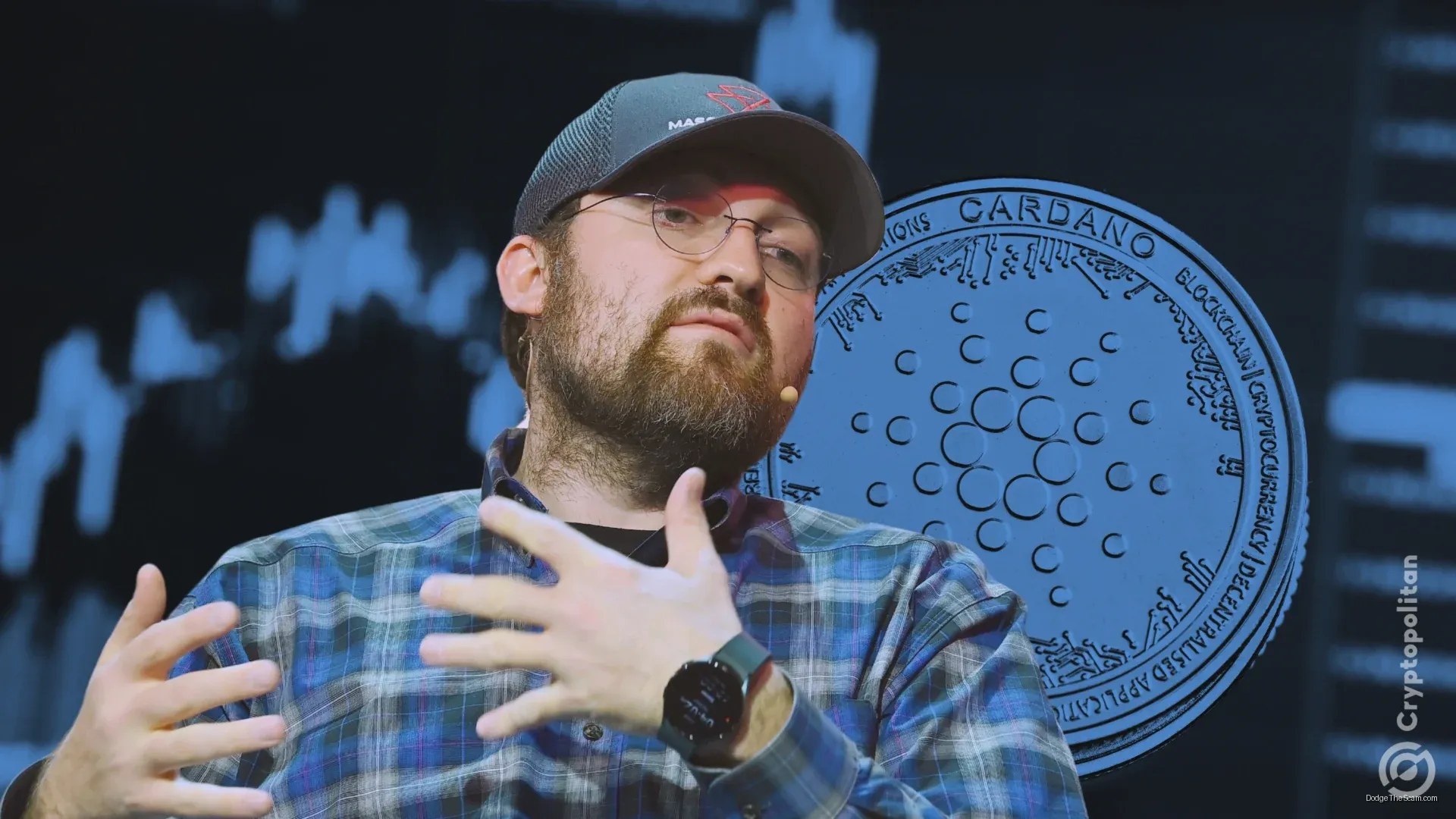
A bankruptcy claims investor has spent the better part of a week digging through Isle of Man and Swiss corporate filings tied to Cardano’s original legal structure, and the central question he has surfaced is simple: where did 1,090 Bitcoin, assigned to the Isle of Man entity that held ICO proceeds, actually go after that entity was dissolved in December 2025?
Thomas Braziel, who has made a career of tracking creditor claims through crypto insolvencies, is not alleging theft. He is pointing to a documentation gap: an entity dissolved, funds were held there, and no public record exists of where custodianship transferred. The comparison he draws to EOS is sharper than it might first appear. EOS raised $4 billion in 2018 through Block.one, a private for-profit company with minimal accountability to token holders, and the SEC eventually settled with Block.one for $24 million with no admission of wrongdoing. The structural parallel Braziel is identifying, a private development company operating alongside a nominally independent foundation, is one regulators have already shown interest in. Hoskinson’s dual role at both IOHK and the Cardano Foundation is the specific conflict Braziel is flagging, not the ICO itself.
The Isle of Man entity was dissolved six months ago and nobody appears to have asked about those funds until now.
The timing matters in a specific way. Regulators in the US and EU have spent the last two years building frameworks that treat ICO-era fundraising structures as ongoing liabilities, not historical artifacts. MiCA’s governance disclosure requirements and the SEC’s continued interest in whether ICO proceeds constituted unregistered securities sales mean that a foundation’s 2015 fundraising records are not safely in the past. For Cardano specifically, which has positioned itself as a research-driven, academically rigorous chain, a prolonged silence on a governance question this basic does more reputational damage than the underlying facts probably warrant. ADA’s 2.5% move on the day the thread circulated is noise; the absence of a response from either Hoskinson or the Foundation is the data point that will matter if this continues to develop.
Braziel has also identified at least 21 Wyoming-registered entities linked to Hoskinson, including a family office and a reported $250 million healthcare investment. Whether those connections are relevant to the Bitcoin question is unresolved, but their existence makes a clean, narrow response from Hoskinson harder to construct. The request on the table is a public accounting of what happened to 1,090 BTC. That is not a complicated ask, and the longer it goes unanswered, the more it looks like one.



0 Comments