Anthropic Faces Backdoor Allegations After Alibaba Bans Claude Across Workforce
What You Need to Know
- Alibaba ordered all employees to uninstall Anthropic products by July 10 citing suspected backdoor risks.
- Anthropic accused Alibaba of extracting Claude capabilities through 28.8 million fraudulent interactions between April and June.
- Claude’s Fable model faced US Commerce Department export restrictions before returning to global availability July 1.
- Anthropic has also leveled model distillation accusations against DeepSeek, Moonshot AI, and MiniMax.
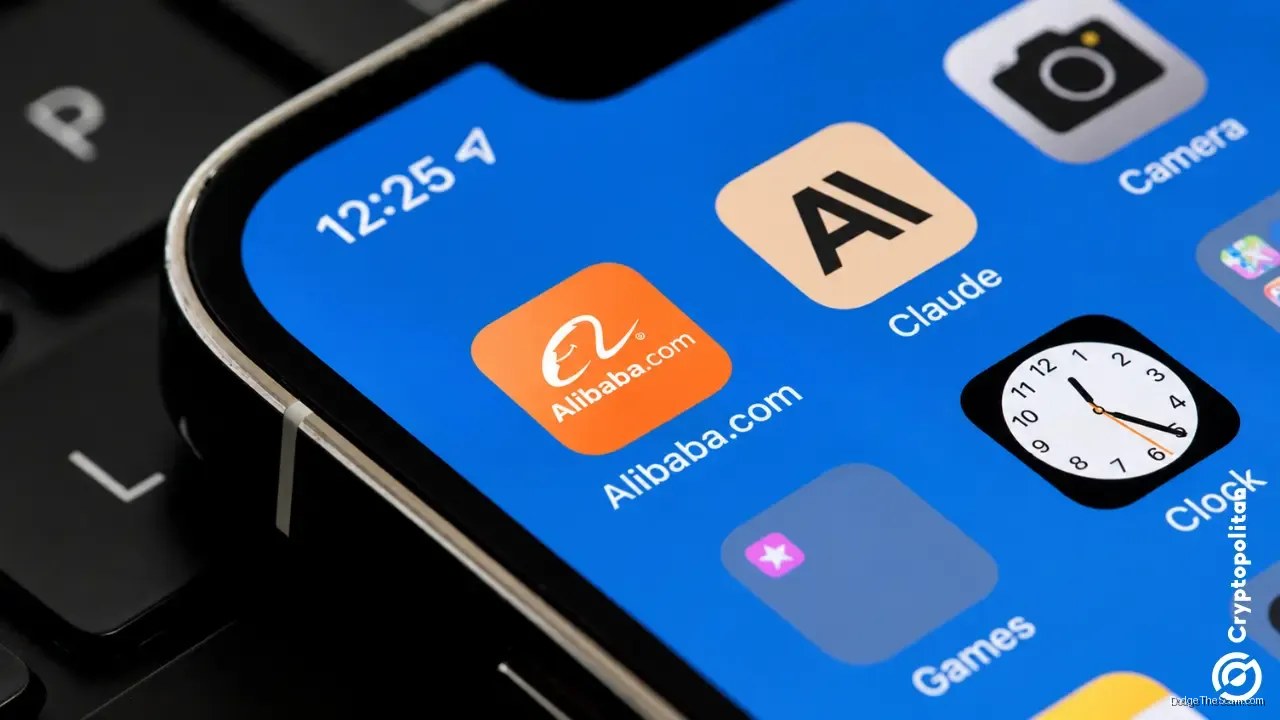
Alibaba has ordered all employees to uninstall every Anthropic product from company machines by July 10, citing suspected embedded backdoor risks identified through an internal security audit. The directive covers the full Anthropic lineup, including the Sonnet, Opus, and Fable model families, and ends a reimbursement program that had been paying engineers up to roughly $1,400 per month to use external AI tools including Claude Code, OpenAI’s Codex, and Alibaba’s own Qoder agent.
The timing sits inside a documented escalation between Anthropic and Chinese AI users that predates this ban. In a letter reviewed by Reuters and dated June 10, Anthropic alleged that Alibaba-affiliated operators ran more than 28.8 million interactions with Claude through approximately 25,000 fraudulently created accounts between late April and early June, describing it as the largest data extraction operation the company had uncovered. Anthropic framed the activity as model distillation at industrial scale, an accusation it has also leveled at DeepSeek, Moonshot AI, and MiniMax. Claude’s Fable model had already spent three weeks under US Commerce Department export restrictions before returning to global availability on July 1, meaning the regulatory pressure on Anthropic’s international distribution was already visible before Alibaba’s ban landed.
The backdoor claim is the sharpest new element here, and it remains technically unverified. Developers who reportedly reverse-engineered Claude Code versions from April 2026 onward found code that checks local timezone settings and inspects API or proxy configurations against keywords associated with Chinese cloud providers, but Reuters confirmed that Alibaba has not publicly released detailed technical findings.
The practical effect for Alibaba engineers is immediate: a tool that many had integrated deeply enough to spend several hundred dollars per week on is now prohibited, and the reimbursement program that subsidized it is gone entirely. For the broader AI tooling market, this is the clearest example yet of what supply chain fracture looks like in practice, not as a policy debate but as a forced migration decision inside one of the world’s largest technology companies. Regulators in other jurisdictions watching third-party AI vendor accountability, including frameworks that hold deploying institutions fully responsible regardless of model origin, will likely treat this episode as supporting evidence for stricter vendor controls. Chinese developers will face pressure to consolidate around domestic alternatives, and GLM 5.2’s competitive benchmark performance against Opus 4.8 on coding and tool-use tasks suggests the domestic substitutes are closer in capability than they were twelve months ago.
Alibaba is simultaneously challenging its inclusion on the Pentagon’s Section 1260H list of companies linked to the Chinese military, filing suit in the US District Court for the Northern District of California on June 23. How that case progresses will shape whether the company’s access to US-developed AI infrastructure narrows further or stabilizes.



0 Comments