What Is 705 Area Code Scam and How to Stop It?[2025 Guide]
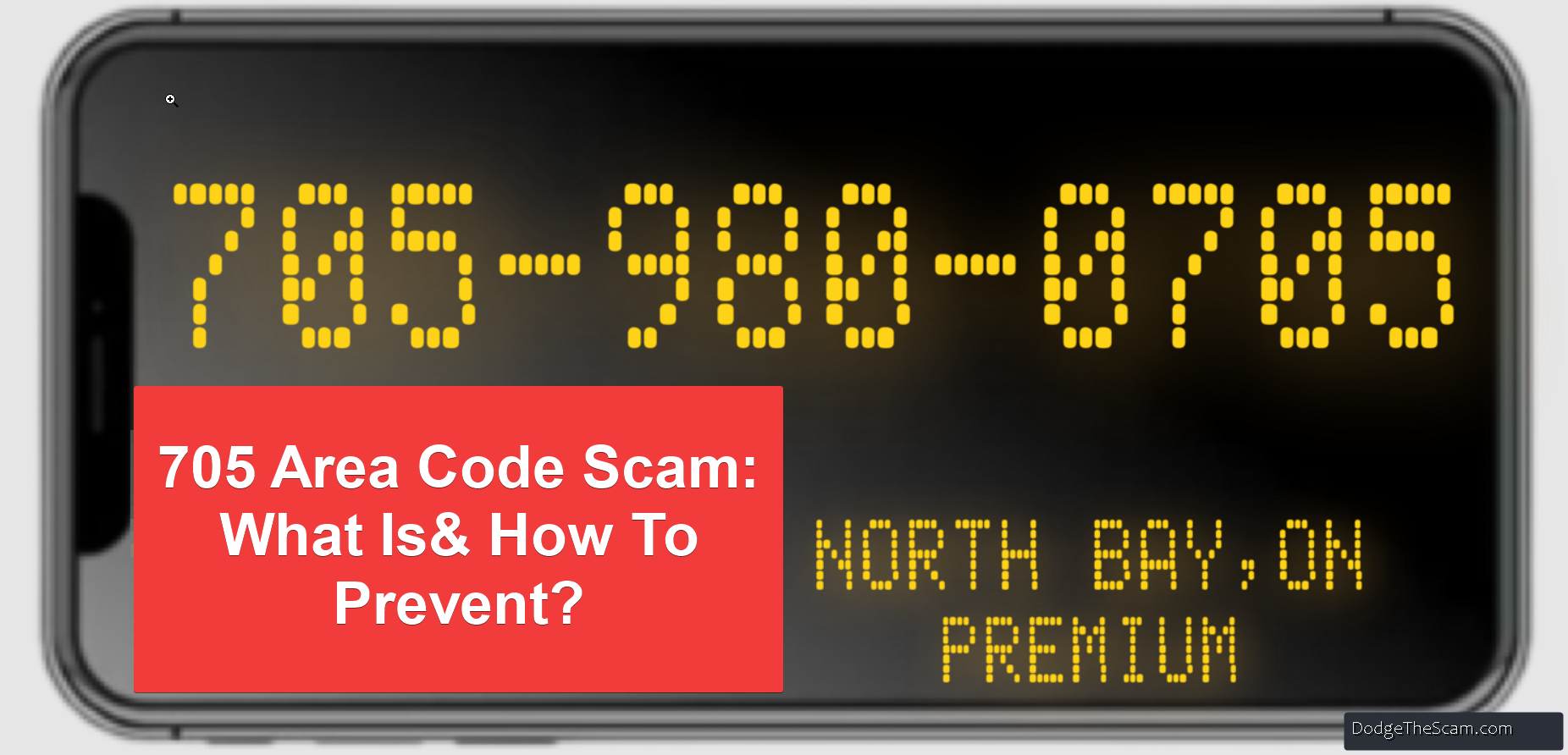
The 705 area code scam has become one of the most widespread phone fraud patterns in Canada. Although 705 is a legitimate code serving Ontario cities like Barrie, Sudbury, and Sault Ste. Marie, scammers now exploit it using caller ID spoofing. Their goal is simple: make you think the call is local and safe.
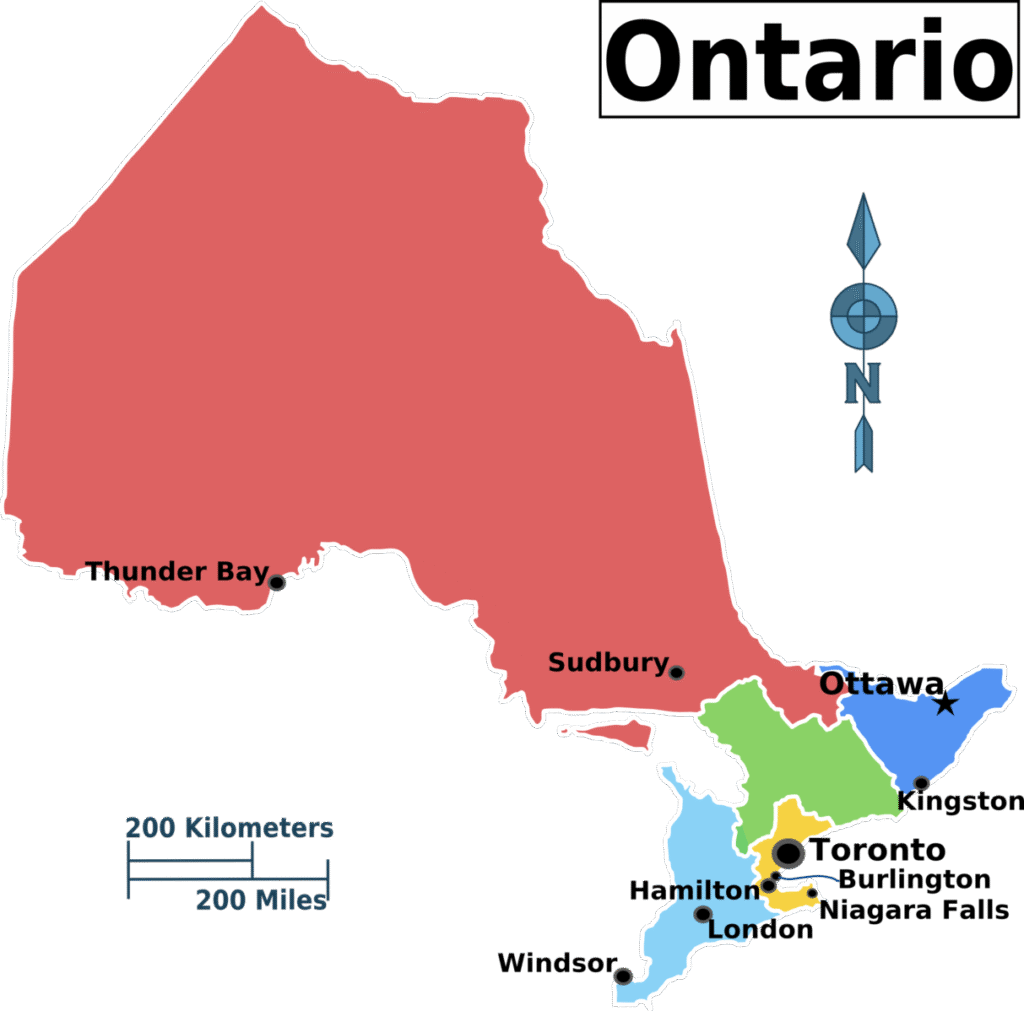
Fraudsters use 705 numbers to impersonate banks, tax authorities, and popular businesses. This gives them credibility and increases the chance you will answer or text back. Once they connect, they apply psychological pressure to steal money, passwords, or identity data.
If you have ever received a mysterious 705 number call that rang once or left a robotic voicemail, you have likely been targeted by this growing scam trend. I am trying my best below to help you avoid, and if you cannot avoid, to minimize the damage done if you get caught into this scam scheme.
Table of Contents
What Is the 705 Area Code Scam?
The 705 scam is not a single attack but a collection of schemes using fake Ontario numbers. Cybercriminals spoof legitimate 705 lines through cheap VoIP apps or burner phones. These calls can originate from anywhere in the world, including India, Russia, or the U.S., yet appear to come from your local area.
Common variations include:
- Government impersonation calls pretending to be the CRA or IRS, demanding urgent “tax” payments.
- Airline refund scams mimicking Air Canada or WestJet to steal card details.
- Bank alert frauds posing as Scotiabank or Amazon support agents, freezing “suspicious” accounts.
- One-ring callback traps that bill you heavily when you return the call.
- Silent probes used to verify that your number is active for resale on dark web lists.
Reports show that 79% of 705 scam attempts come via text messages, while others use automated robocalls. Their frequency peaks in the evenings, hitting users multiple times per day.
If this pattern feels familiar, you may also recognize the tactics used in the 475 area code scam and other spoof-based operations that follow the same psychological blueprint.
How the 705 Scam Works?
The 705 area code scam operates through a predictable playbook designed to look authentic. Attackers begin by buying leaked phone lists or scraping business directories. Seniors, small businesses, and rural households are often their main targets.
Once they have your number, the process unfolds in stages:
- Initial contact – You receive a call or SMS from a 705 number, often urgent or vague (“Your SIN is under review”).
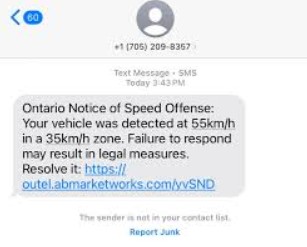
- The hook – The scammer builds credibility, posing as a government officer or bank agent.
- Pressure and data theft – They demand immediate verification, urging you to provide sensitive details or make a payment.
- Exploitation – Your data is used for identity theft, unauthorized purchases, or resold to other fraud groups.
This method mirrors other sophisticated phishing patterns, like those explained in our exhaustive phishing guide.
How to Avoid the 705 Area Code Scam?
Protection starts with awareness and smart call management, I would say. Here are the best preventive actions:
| Strategy | Action | Why It Works |
|---|---|---|
| Register Do Not Call | Add your number to Canada’s DNCL or FTC’s list | Reduces exposure to legal telemarketing calls |
| Block at Source | Use Truecaller, Nomorobo, or your carrier’s spam filters | Automatically screens 80% of robocalls |
| Spoof Awareness | Never trust caller ID alone; verify on official websites | Caller ID can be faked easily |
| Device Settings | Silence unknown callers or block entire area codes | Stops 705 spam before it rings |
| Secondary Number | Use a virtual number for online registrations | Shields your real phone identity |
Combine these habits with security hygiene: enable two-factor authentication for your bank and avoid giving any codes over the phone, or any other apps.
If you ever encounter pop-ups or redirects on your browser, consider reading our Fuq.coldfootage.com virus removal guide to stay safe from web-based traps that work in tandem with phone scams.
What to Do If You’ve Been Scammed by 705 area code scammers?
Act fast and stay calm (cliche, but when you are trying yoiur best to stay calm, you can act fast wthout doing mistakes caused by the rush and adrenaline):
- Hang up immediately and stop communication.
- Change all passwords and banking PINs. (most important one, basically)
- Monitor accounts and request a temporary credit freeze.
- Report to authorities – In Canada, contact the Canadian Anti-Fraud Centre or local police. In the U.S., file with the FTC or IC3.gov.
- Warn others – Inform friends and family to prevent follow-up targeting.
Reporting quickly increases your chance of recovery. According to fraud monitoring data, up to 40% of victims recover funds if they act within 24 hours.
Pro Tips to Outsmart 705 Scammers
- Waste their time safely. Some users record prank hold music loops to burn scammer minutes.
- Always reverse lookup unfamiliar 705 numbers before responding.
- Educate family members on scam scripts (“CRA will never call for gift cards”).
- Use AI-powered call detection apps to identify robovoices and spoofed numbers.
- Join online fraud awareness groups to track current scam trends in real time.
Scammers adapt constantly. Similar tactics appear in the Geek Squad email scam and even fake WhatsApp Gold downloads, all relying on fear and urgency.
By learning their playbook, you gain the upper hand. For long-term safety, enable alerts on your financial accounts and bookmark trusted guides like the Norton LifeLock scam prevention article.
Final Thoughts
The 705 area code scam is a digital chameleon – local in appearance but global in execution. Ontario residents are right to be skeptical of any unexpected 705 number, text, or voicemail.
Staying ahead requires a mix of technology, caution, and education. Every ignored call, blocked number, or reported incident weakens the ecosystem that allows scammers to thrive.
Your best defense is awareness. Stay alert, verify every claim, and share this knowledge with your circle. Scammers evolve daily, but so can your security habits.
FAQ
Is the 705 area code scam real?
Yes, while 705 is a legitimate area code for Ontario, scammers frequently spoof it (make calls appear to come from a 705 number) to trick recipients into answering.
Why am I getting calls from a 705 number and no one speaks?
These are often “silent probe” calls used by scammers to check if your line is active. One report found many complaints that 705 calls rang once or left no message.
Should I call back a missed call from a 705 number?
No, if you don’t recognise the number, calling back may lead to premium-rate charges or confirm your number is active, making you more likely to be targeted.
What types of scams are associated with 705 numbers?
Common types include: impersonation of government agencies (e.g., tax authorities), fake bank or Amazon alerts, airline/travel refund scams, and one-ring callback traps.
How can I protect myself against calls from 705 numbers?
Key steps include: blocking or filtering unknown 705 numbers, ignoring unsolicited calls/texts, verifying any supposed organisation by contacting them via official channels (not via the incoming call), and never giving out personal or payment details.


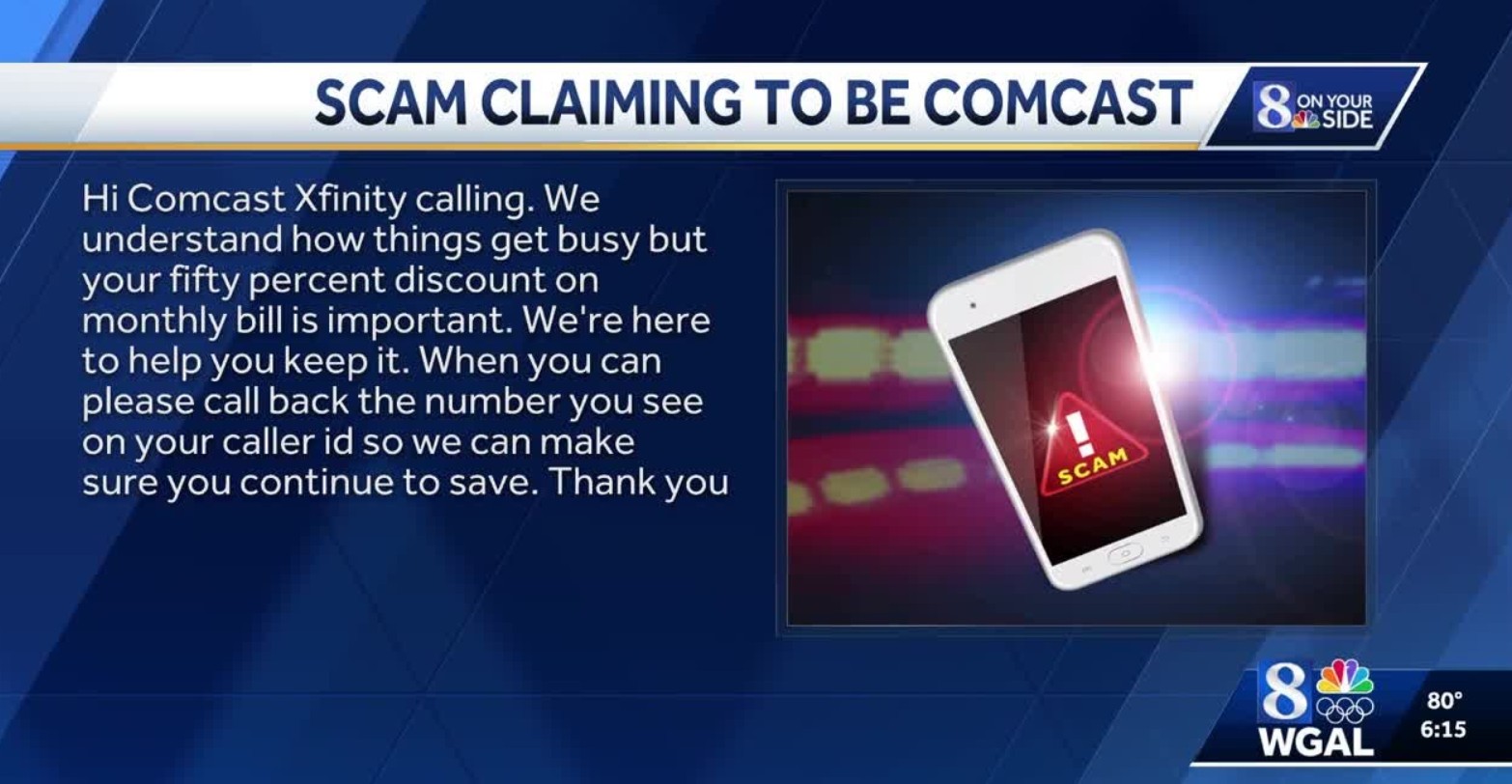
3 Comments
What Is CRA Tax Scam? How to Spot, Stop, and Survive It Guide · October 19, 2025 at 7:55 pm
[…] victims pay “tax debts” that don’t exist. Many of these calls now appear to come from the 705 area code, a hotbed for spoofed numbers in […]
What Is UPS Ground Text Scam & How to Avoid It? · October 19, 2025 at 9:09 pm
[…] through automated VoIP systems, the same infrastructure used in widespread phone scams like the 705 area code scam and 475 area code […]
475 Area Code Scam: How the “One-Ring” Trap Steals Your Money · October 19, 2025 at 9:11 pm
[…] you live in Canada or near the border, you should also be aware of the 705 area code scam prevention guide, which exposes how similar spoofed Ontario calls are deceiving thousands every […]