What Is UPS Ground Text Scam & How to Avoid It?
Have you recently received a suspicious text claiming to be from “UPS Ground” about a missed delivery or package held in customs? If it urged you to click a link or pay a small “redelivery fee,”, well, you’re about to GET SCAMMED! The UPS Ground text scam is one of the fastest-spreading delivery frauds in North America, combining phishing, identity theft, and malware tactics in one deceptive SMS.
I will try to explain below how the scam works, shows real message examples, and gives step-by-step instructions to avoid becoming a victim. If something’s missing here, please dont hesitate to contact me.
Table of Contents
How the UPS Ground Text Scam Works?
The UPS Ground text scam is a smishing attack (SMS phishing). Fraudsters send fake delivery notifications pretending to be UPS, using logos, tracking numbers, and even realistic sender IDs. The messages often read like:
“UPS: We tried to deliver your UPS Ground package today. Please visit https://ups-delivery-track[dot]info to reschedule delivery.”
Once you click, the page imitates UPS’s official website but is designed to steal your credit card details, login credentials, or personal data. Many users who fall for this scam also end up with malware installed on their devices.
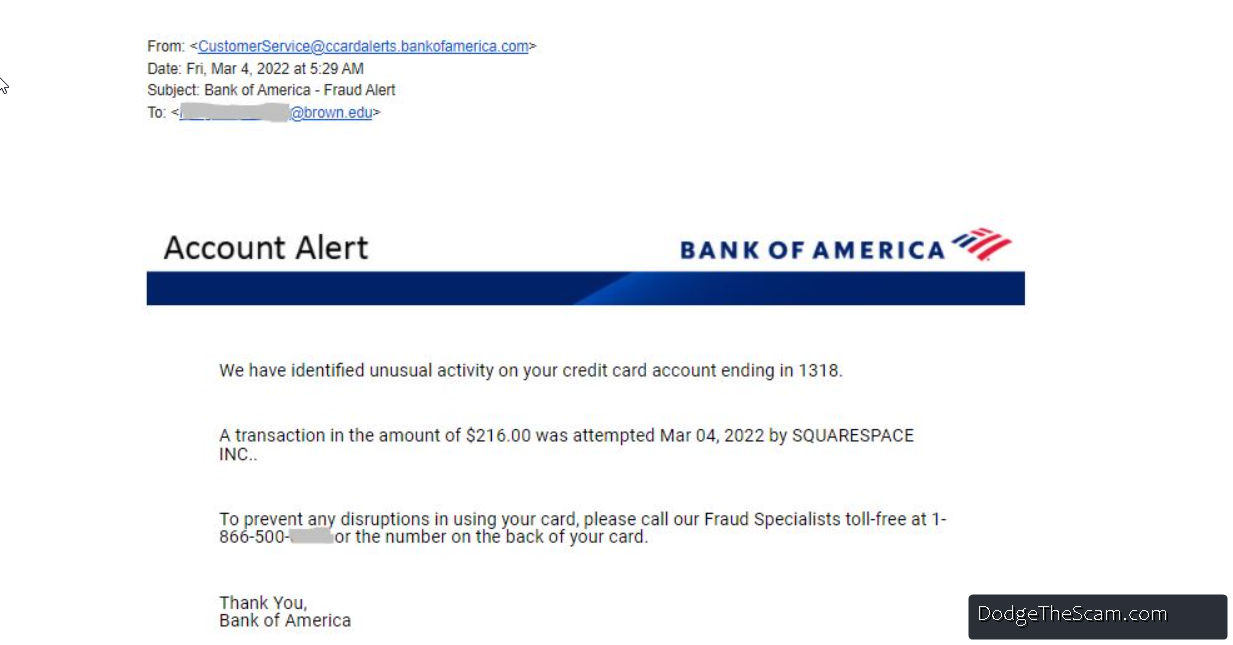
These fake delivery texts use the same social engineering strategy as phishing emails that impersonate trusted companies. A similar case is the Service@paypal.com scam, where fraudsters send fake payment alerts that look identical to real PayPal notifications to steal credentials and money.
These texts are sent in bulk through automated VoIP systems, the same infrastructure used in widespread phone scams like the 705 area code scam and 475 area code scam.
The message usually claims:
- You missed a delivery attempt.
- A small customs or delivery fee is required.
- Your address is incorrect and needs verification.
- A shipment will be returned unless you act quickly.
The urgency and fear are intentional as scammers know most people have ongoing online orders and will react without thinking.
The Psychology behind UPS Ground Text Scam
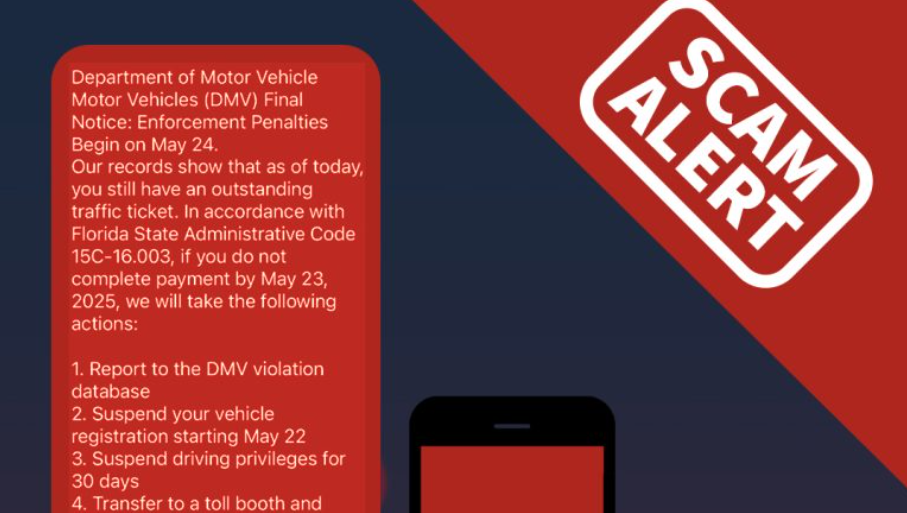
UPS Ground texts exploit two universal triggers: authority and urgency. Just like the CRA tax scam, the message mimics an official tone and pushes you to act immediately, before your “package” or “refund” disappears.
The fake text often includes realistic-looking tracking numbers, and some even use URL shorteners to mask fraudulent domains. Clicking through can lead to fake UPS forms that harvest everything from your ZIP code to your debit card number. I strongly advice you to not click anything which is not related to something you know and used before.
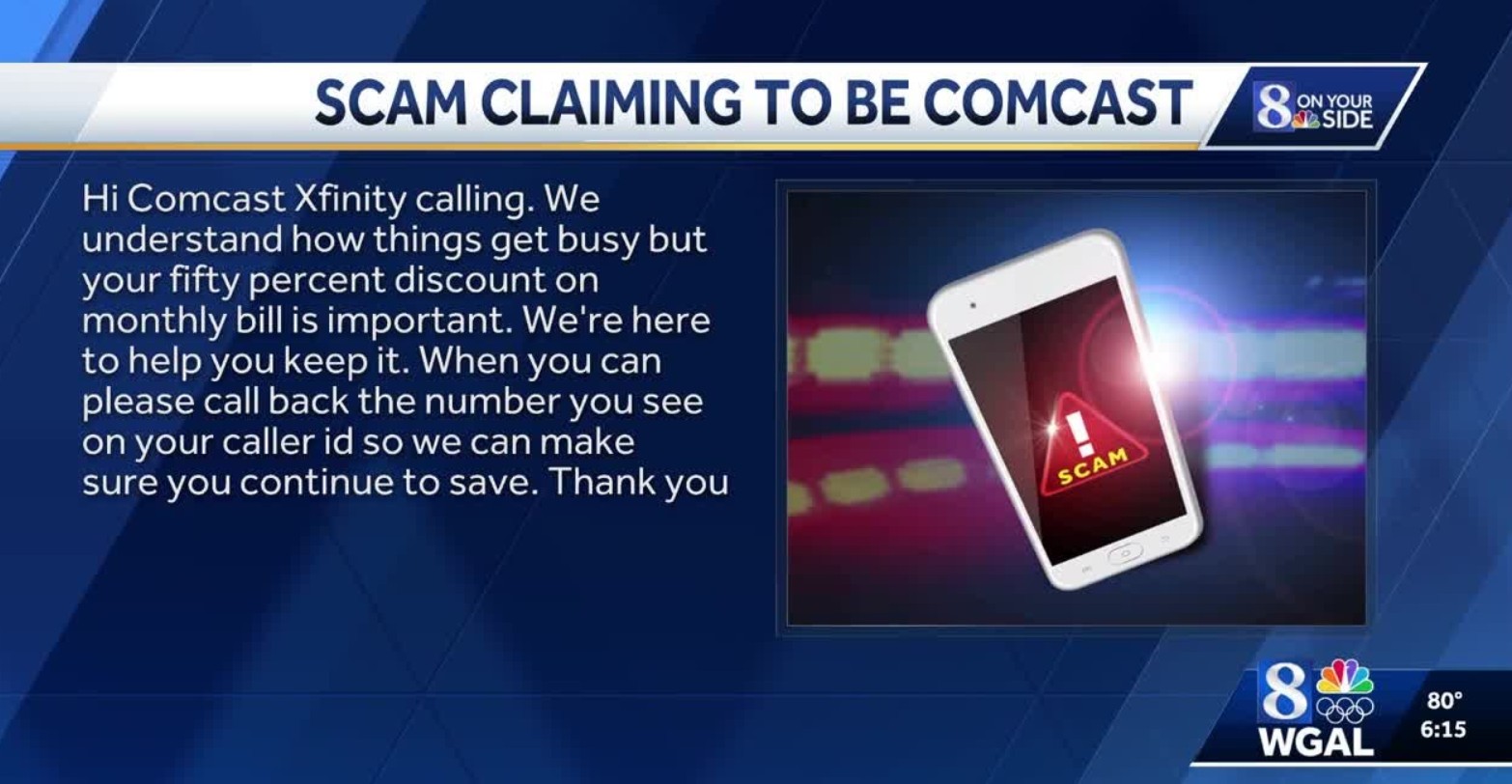
This same blend of authority and time pressure is seen in Comcast scam calls promising fake 50% discounts, where callers pretend to be company representatives and pressure victims to act fast “before the deal expires.” Both scams weaponize urgency to override rational judgment.
Red Flags That a UPS Text Is Fake
- The sender isn’t the official UPS short code (69877).
- It contains spelling mistakes or awkward phrasing (“Your parcel pending reshedule”).
- It demands payment: UPS will never request fees via SMS links.
- The URL isn’t “UPS.com” (look out for “ups-track.info,” “upsgroun-delivery.com,” etc.).
- It creates false urgency: “Final notice,” “Package returning to sender,” or “Action required.”
- You never signed up for UPS text alerts.
Many of these elements mirror the tactics used in the Geek Squad email scam, where fake support invoices create panic and prompt immediate payment.
How UPS Ground Scam Messages Looks? (Real-World Examples)
Below are authentic scam message templates and direct image links you can upload or display in awareness campaigns.
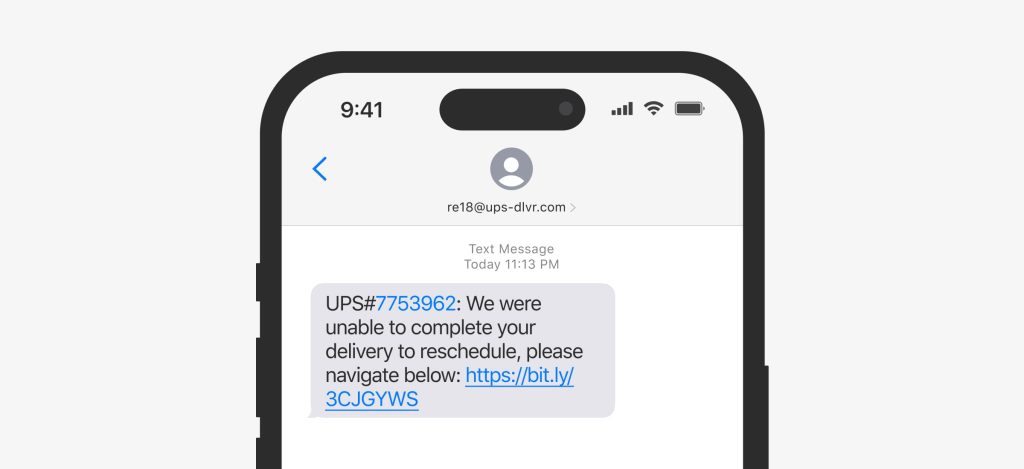
Example 1:
“UPS Ground: Package held at depot. Pay $2.50 delivery fee to release.

Example 2:
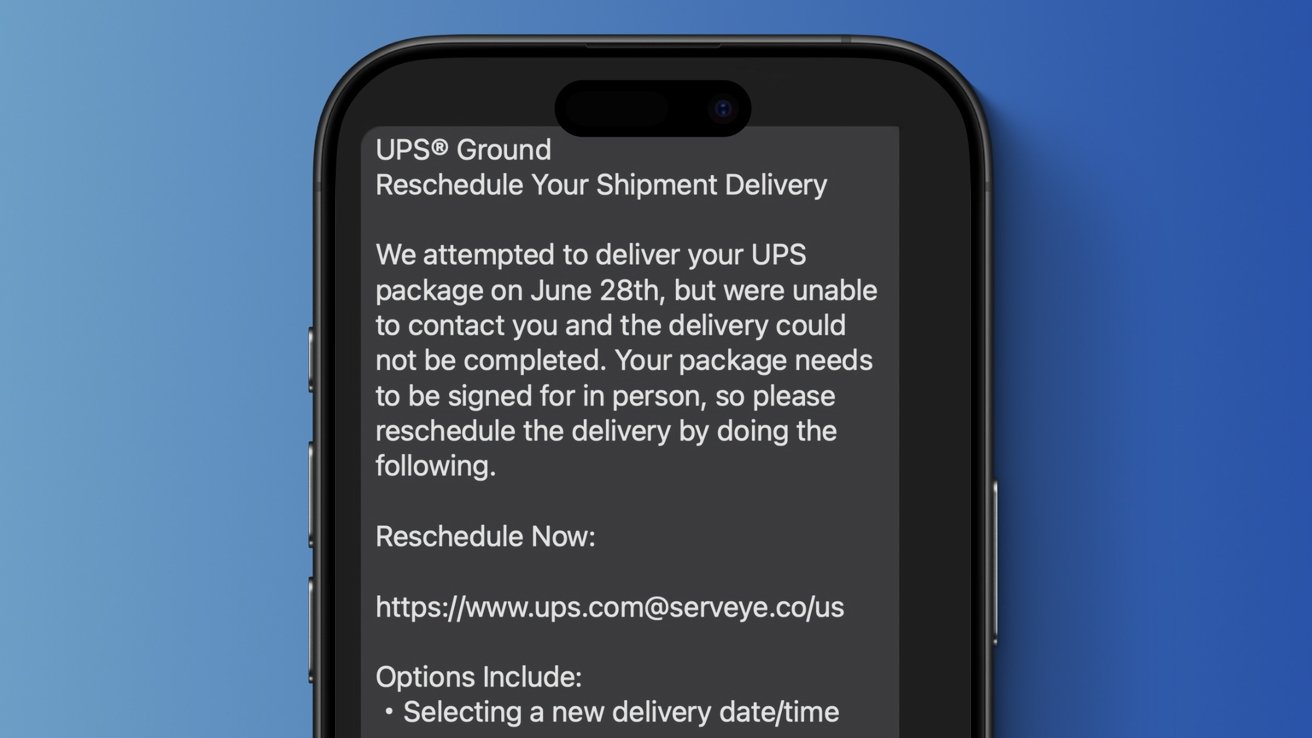
“We missed your UPS Ground delivery today. Please confirm address and reschedule: https://ups-redelivery-support[dot]xyz”

Example 3:
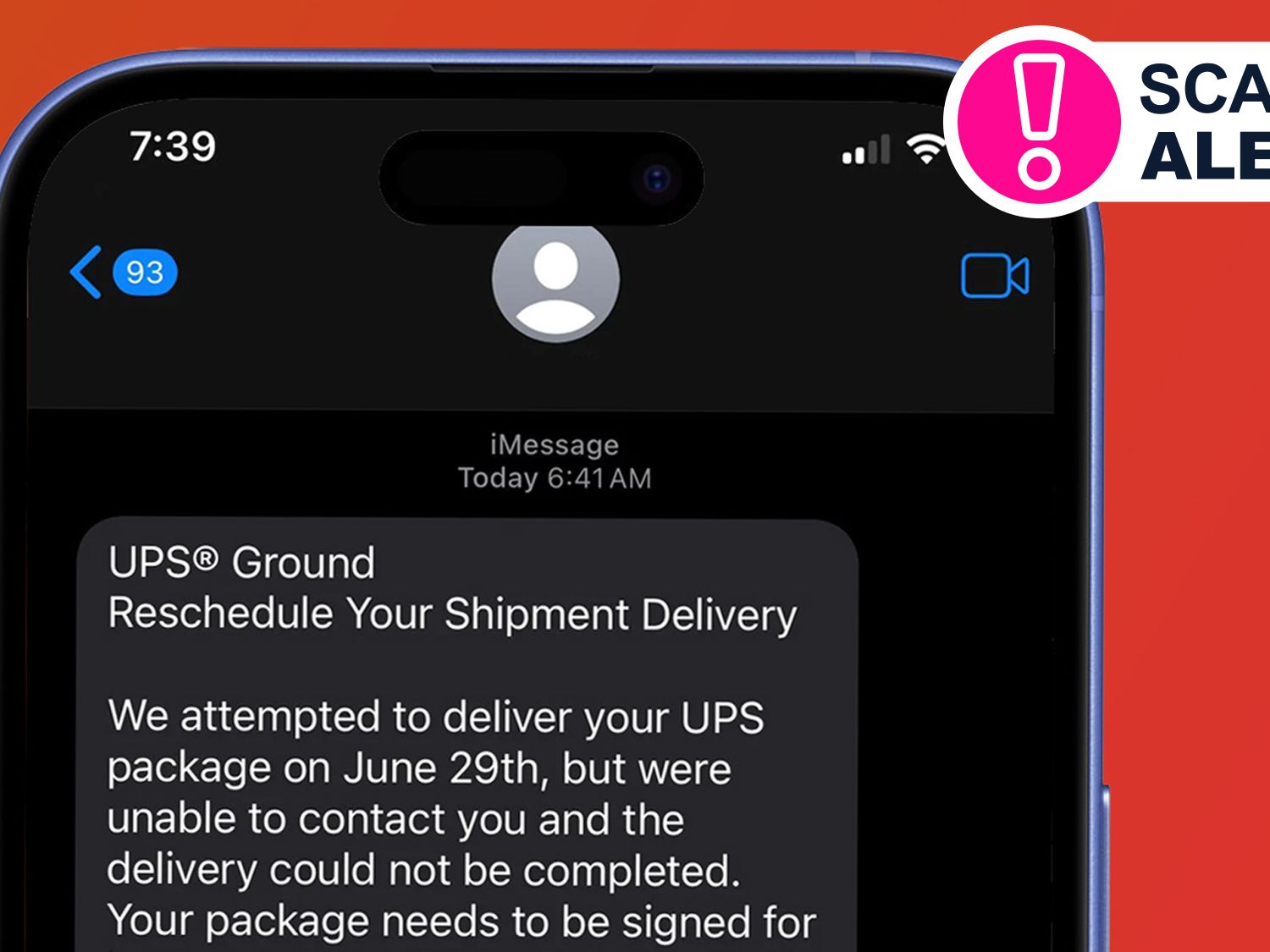
“UPS: Your parcel is waiting. Pay customs fee $4.99 before return.”

Example 4:
“Reply Y to activate your UPS Ground link and reschedule delivery.”


If any of these look familiar, you may have narrowly avoided a phishing trap. To understand how such manipulative texts exploit attention and trust, review our phishing exhaustive guide.
What to Do If You Receive a Suspicious UPS Text
- Do not click any link or reply to the message.
Even replying “STOP” can confirm your number as active, similar to how attackers operate in the WhatsApp Gold scam. - Go directly to UPS.com and enter your tracking number manually.
If there’s no active delivery, the message was fake. - Report the message to your carrier (text “SPAM” to 7726) and forward screenshots to fraud@ups.com.
- Delete the message immediately to avoid accidental taps later.
- If you clicked the link, change your passwords, enable two-factor authentication, and run a security scan using a trusted antivirus tool. Learn how malware cleanup works in our Fuq.coldfootage.com virus removal guide.
- Contact your bank if you entered payment info or suspect identity theft. Using trusted protection tools like those mentioned in our Norton LifeLock scam prevention guide can help secure your financial identity.
How Scammers Choose Their Targets?
Scammers purchase leaked phone number lists or scrape social media data. If your number has appeared in a past data breach or spam campaign, you’re more likely to receive fake texts, especially if you’ve previously interacted with a delivery service.
They also rotate area codes to appear “local,” mimicking patterns seen in the 705 area code scam and 475 area code scam. This local familiarity increases answer rates by up to 80%.
How to Prevent UPS Ground Text Scams?
Preventing these scams is easier when you adopt a few daily digital hygiene habits:
- Block unknown numbers immediately after receiving suspicious texts.
- Enable spam filters on iPhone or Android to auto-screen phishing messages.
- Keep your OS and browser updated to patch vulnerabilities exploited by malicious links.
- Use multi-factor authentication for email and shipping accounts.
- Avoid posting tracking numbers online, even in screenshots or forums.
- Monitor financial accounts regularly for unauthorized charges.
- Educate family members, especially teens and seniors, who may not recognize these scams.
This kind of education has proven effective in reducing fraud losses across multiple attack types.
Why Scammers Love Using “UPS Ground”?
UPS Ground is one of the most common and affordable delivery methods in North America, meaning millions of people are waiting for packages daily. Including “Ground” in the text makes it feel authentic because:
- People subconsciously associate “Ground” with reliability and standard delivery.
- It sounds like a specific internal term, not a generic message.
- During holidays, when everyone expects parcels, it blends seamlessly into legitimate shipping updates.
In that sense, this scam is the digital twin of the fake “delivery failed” emails used in corporate phishing.
The Growing Scale of Delivery Scams in US
Cybersecurity analysts report that delivery-related scams like this surged more than 600% in 2024. Fake UPS, USPS, and FedEx messages are now the top three forms of smishing worldwide.
In fact, the UPS Ground scam often overlaps with fake antivirus renewals or subscription traps like WhatsApp Gold. All share the same blueprint:
- impersonate a trusted brand
- create false urgency
- harvest credentials or payments.
If You Already Clicked the Link
If curiosity got the better of you, don’t panic, but act fast:
- Disconnect from Wi-Fi or mobile data immediately.
- Run a malware scan using your antivirus.
- Clear your browser cache and delete temporary files.
- Change passwords for UPS, email, and banking apps.
- Enable alerts for login attempts or new devices.
- Report to UPS via fraud@ups.com.
- File a report with your local consumer protection agency if funds were lost.
So, how to dodge UPS Ground Text Scam?
By staying alert, verifying every link, and recognizing the hallmarks of SMS phishing, you can easily outsmart these UPS Ground scams, just as you would when defending against area code spoofing or a Geek Squad invoice hoax. Awareness is your best defense.
FAQs
Does UPS ever ask for payment via text?
No. UPS will never request payment, customs fees, or address confirmation through SMS links.
Can fake UPS messages install malware?
Yes. Clicking a malicious link can lead to spyware downloads, similar to adware infections described in our Fuq.coldfootage.com virus removal guide.
How do I verify if my UPS text is real?
Check that it’s from short code 69877 and cross-verify by logging into UPS.com manually.
Should I report the scam even if I didn’t click the link?
Yes. Reporting helps UPS and carriers block the sender, just as early reporting reduces spread in the CRA tax scam in Canada.