Open USD Launches With 140 Partners Before Product Exists, Betting on Pending US Law
What You Need to Know
- Open Standard launched Open USD stablecoin with 140+ institutional partners including Visa, Stripe, Mastercard, and Google.
- Open USD features zero-fee minting, shared governance through independent board, and reserve yield distributed to participating businesses.
- Stablecoin market exceeds $300 billion in supply, but Tether and Circle control the vast majority of it.
- Pending GENIUS Act federal framework for payment stablecoins likely motivated institutions to commit before regulatory rules finalize.
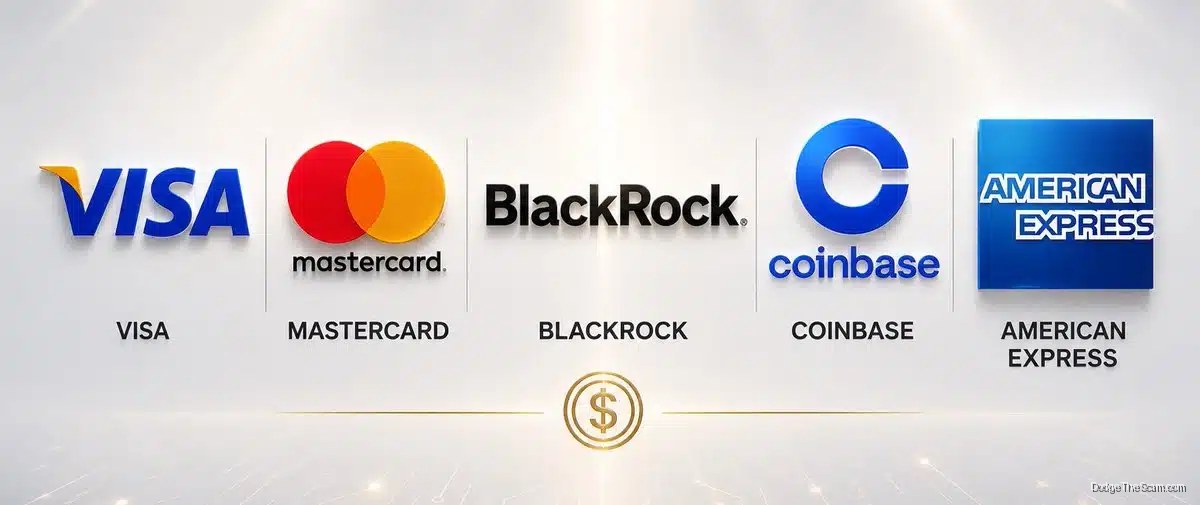
Open Standard has launched a consortium-backed stablecoin called Open USD before the product even exists, with more than 140 institutional partners including Visa, Stripe, Mastercard, BlackRock, Coinbase, and Google signed on ahead of a planned launch later this year on Solana. Zero-fee minting, shared governance through an independent board, and reserve yield distributed to participating businesses are the structural differentiators Open Standard is leading with.
The partner list is the real announcement here, and it deserves some skepticism alongside the attention. Consortium stablecoins have a poor track record: Libra, the Facebook-led project that assembled a similarly impressive coalition in 2019, collapsed under regulatory pressure before it ever processed a transaction. OUSD is arriving in a materially different environment. The GENIUS Act, currently moving through the US legislative process, would establish a federal framework for payment stablecoins, covering reserve standards, redemption rights, and issuer oversight. That pending clarity is almost certainly why institutions are willing to attach their names to a project pre-launch rather than waiting for rules to finalize. Stripe President Will Gaybrick said OUSD is expected to become the default stablecoin for businesses using Stripe, which is a specific operational commitment, not a vague endorsement.
The stablecoin market now exceeds $300 billion in total supply, but Tether and Circle still control the vast majority of it, which means OUSD is entering a market where distribution and trust are already heavily concentrated.
That concentration is exactly what makes the governance model worth watching. Most stablecoins fail to gain enterprise traction not because of their peg mechanics but because a single issuer’s credit risk or regulatory exposure becomes a dealbreaker for counterparties. A shared-governance structure with reserve earnings distributed across partners creates economic alignment that neither USDT nor USDC offers to institutional participants. Whether that model survives the transition from term sheet to live network is another question entirely, but it addresses a real friction point that has kept some traditional finance firms on the sidelines. BlackRock’s involvement carries particular weight given the firm’s existing tokenization work, and its participation signals that the institutional appetite for stablecoin infrastructure has moved well past exploratory.
Solana’s selection as the launch chain is a meaningful detail. The network has become the preferred settlement layer for payment-adjacent applications, partly on throughput grounds and partly because its fee structure suits high-volume, low-margin commercial transactions better than Ethereum mainnet. For Solana’s ecosystem, an enterprise stablecoin backed by this coalition would represent a significant TVL and volume catalyst if adoption follows the partner list.




0 Comments