AGIBOT Delivers 15,000th Robot as China Humanoid Shipments Hit 50,000
What You Need to Know
- AGIBOT’s G2 robots completed 64,828 tasks on live tablet production line with 99.99% success rate over six days.
- AGIBOT livestreamed endurance test to demonstrate real-world deployment reliability versus controlled environment testing by competitors.
- AGIBOT scaled from 1,000 to 15,000 cumulative units delivered within approximately 15 months of production.
- China accounts for over 80% of global humanoid robot deployments, with Morgan Stanley tripling 2025 shipment forecast to 50,000 units.
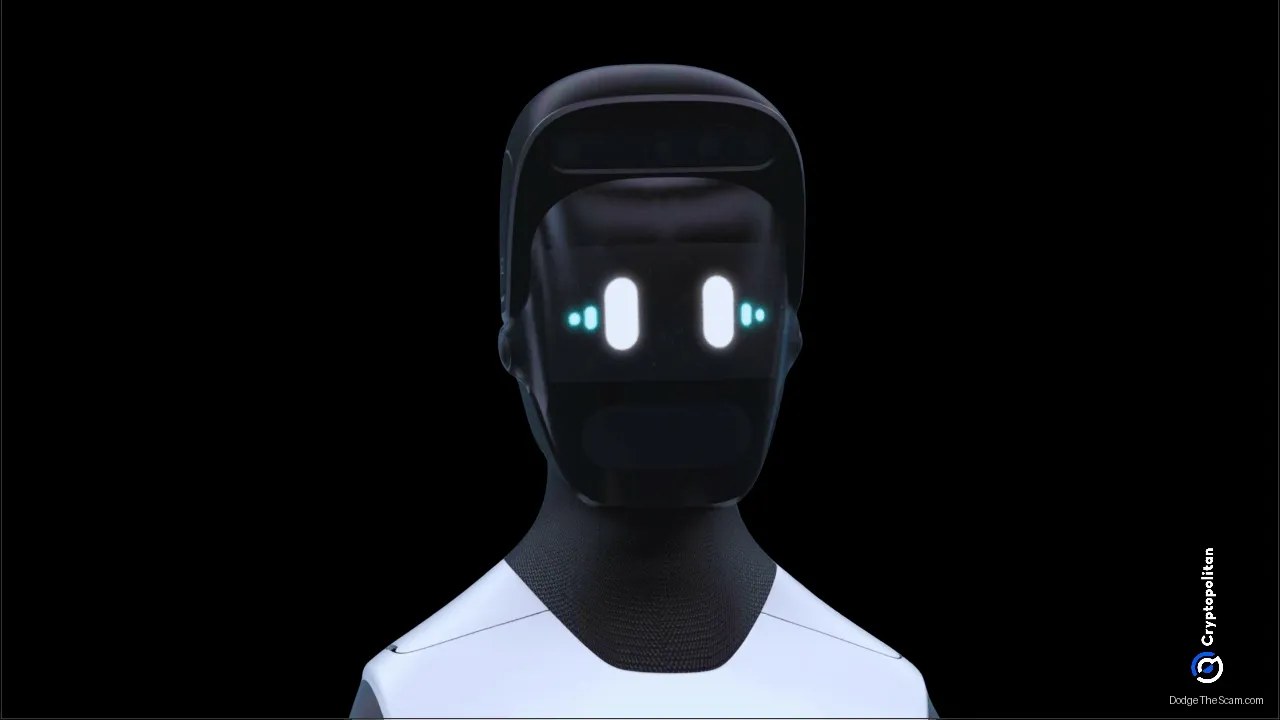
Chinese humanoid maker AGIBOT ran its G2 robots on a live tablet production line for six consecutive days, completing 64,828 tasks with a claimed 99.99% success rate and producing 17,625 finished units across 64 hours of operation. The test took place inside Longcheer Technology’s electronics facility in Nanchang, and AGIBOT livestreamed the entire run as a transparency exercise.
The deliberate public visibility is the tell here. In May, Figure AI ran its Figure 03 through a comparable endurance test, processing nearly 250,000 packages over 200 continuous hours without a hardware failure. AGIBOT’s response was shorter in duration but staged inside a live production workflow rather than a controlled environment, a distinction that matters for industrial buyers evaluating real deployment risk. The framing from AGIBOT president Yao Maoqing was explicit: the livestream was designed to answer what “embodied AI industrialization actually requires,” which reads as a direct pitch to manufacturers still sitting on procurement decisions rather than a technical milestone announcement.
AGIBOT’s 15,000th unit was delivered to Longcheer as part of this deployment, and the company’s scaling curve has compressed sharply: a year to go from 1,000 to 5,000 cumulative units, then three months to reach 10,000.
The production ramp is where the competitive story actually sits. AGIBOT claims 39% of global humanoid shipments, with China accounting for more than 80% of the roughly 16,000 units deployed worldwide last year. Morgan Stanley has revised its 2025 China shipment forecast three times, from 14,000 to 28,000 and now to 50,000 units. That kind of repeated upward revision from a major institutional forecaster signals that even analysts with direct manufacturer access are consistently underestimating the pace of deployment. The gap between Western and Chinese humanoid scaling is no longer a roadmap projection; it is showing up in unit counts.
The audience for this demonstration is not robotics researchers. It is procurement officers at consumer electronics manufacturers who need evidence that humanoid robots can sustain throughput in real factory noise, alongside existing equipment and human workers, without a controlled-conditions asterisk attached to the performance data.




0 Comments