BIS Warns AI Investment Bubble Could Crash Faster Than 2008
What You Need to Know
- BIS identifies AI investment concentration as systemic financial risk with potential correction faster than 2008 crisis.
- Most AI capital flows through hedge funds and private credit with limited regulatory oversight, harder to monitor.
- McKinsey estimates $6.7 trillion cumulative AI capital expenditure needed globally by 2030, with $5.2 trillion for data centers.
- BIS describes financial infrastructure vulnerability rather than predicting crash, warning of correction speed if returns disappoint.
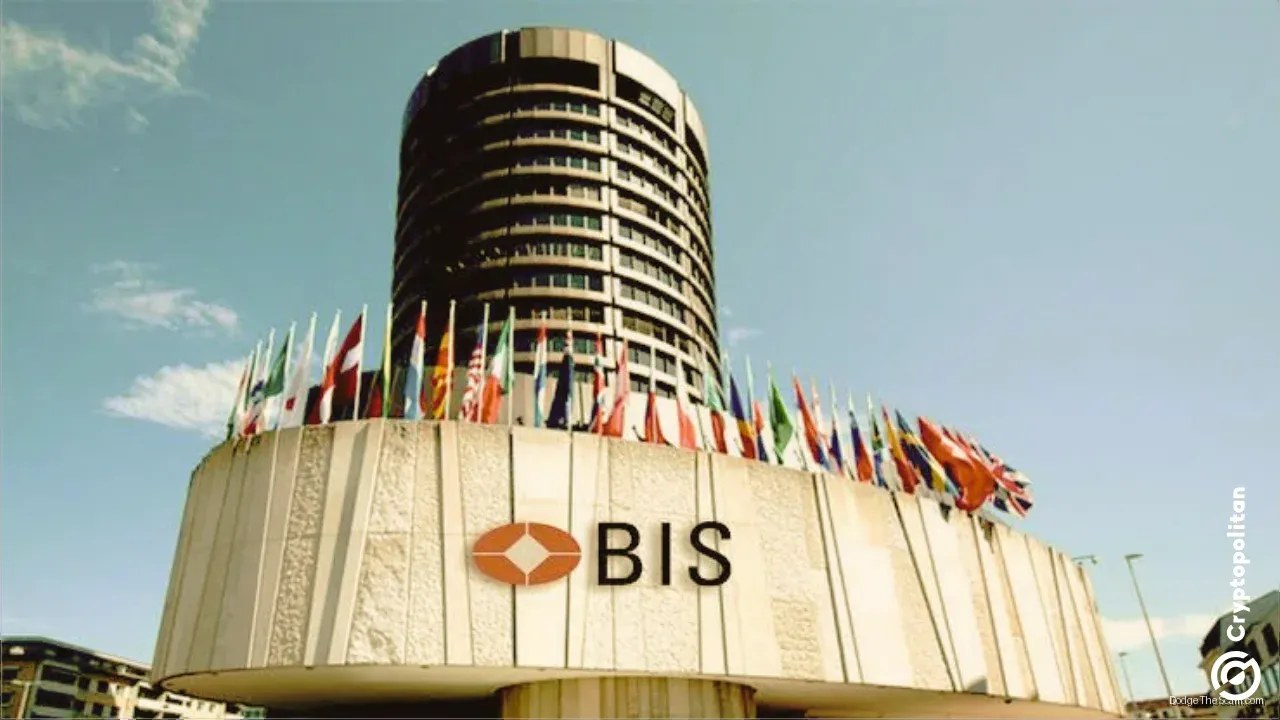
The Bank for International Settlements used its annual report to identify AI investment concentration as a systemic financial risk, warning that a correction could ripple through global markets faster than the 2008 banking crisis. The mechanism is specific: most AI capital has flowed through hedge funds, private credit vehicles, and other non-bank financial intermediaries that operate with limited regulatory oversight.
The BIS comparison to 2008 is pointed but not exact. In that crisis, leverage was concentrated in regulated banks and the mortgage market, which gave regulators at least a partial view of where the exposure sat. Today, the risks are distributed across private credit markets, non-bank lenders, and interconnected technology financing, which are structurally harder to monitor in real time. Zhang Tao, the BIS chief representative for Asia and the Pacific, put it plainly: “The speed of a correction could be much faster than previous banking crisis episodes.” That warning lands differently when you consider the scale of capital being committed. McKinsey estimates roughly $6.7 trillion in cumulative AI-related capital expenditure will be required globally by 2030, with $5.2 trillion directed toward AI-enabled data centers alone. Companies like Oracle have already demonstrated how quickly AI infrastructure enthusiasm can reprice when expectations shift, shedding roughly half their peak market value as sentiment cooled.
The BIS is not predicting a crash. It is describing the plumbing that would carry one if returns disappoint.
Shadow Banking and the Regulatory Gap
The shadow banking concern is not new to BIS, which has published warnings about non-bank financial intermediary growth for several years. What is new is the specific vector: AI capex cycles are now large enough that a broad deferral of corporate spending, triggered by inadequate returns, could transform the current investment boom into a prolonged period of underinvestment. That scenario would hit private credit markets particularly hard, since many of the vehicles financing AI infrastructure carry illiquidity risk that only becomes visible under stress. Regulators in the EU and elsewhere have been tightening oversight of non-traditional financial intermediaries, but the BIS report suggests the pace of that regulatory trajectory has not kept up with the pace of capital accumulation in these structures.
The BIS identified AI investment concentration alongside inflation and sovereign debt pressures as its three primary stress points for the global economy in its June 28 report. That framing matters because it places AI risk inside a macro context already under strain, not as a standalone technology story. If rate expectations shift or equity market confidence falters, the feedback loop between AI capex commitments, private credit exposure, and equity valuations has fewer buffers than most participants currently assume.




0 Comments