Pentagon’s 1260H List Targets Alibaba, Baidu as China Escalates Data Controls
What You Need to Know
- Pentagon added Alibaba, Baidu, BYD, and NIO to Section 1260H list designating military ties.
- China’s Ministry of Commerce threatened “resolute and forceful countermeasures” if companies not removed.
- Section 1260H listing is pressure instrument, not sanctions mechanism blocking trade or technology access.
- China released financial data classification rules same day, matching Washington’s regulatory pressure simultaneously.
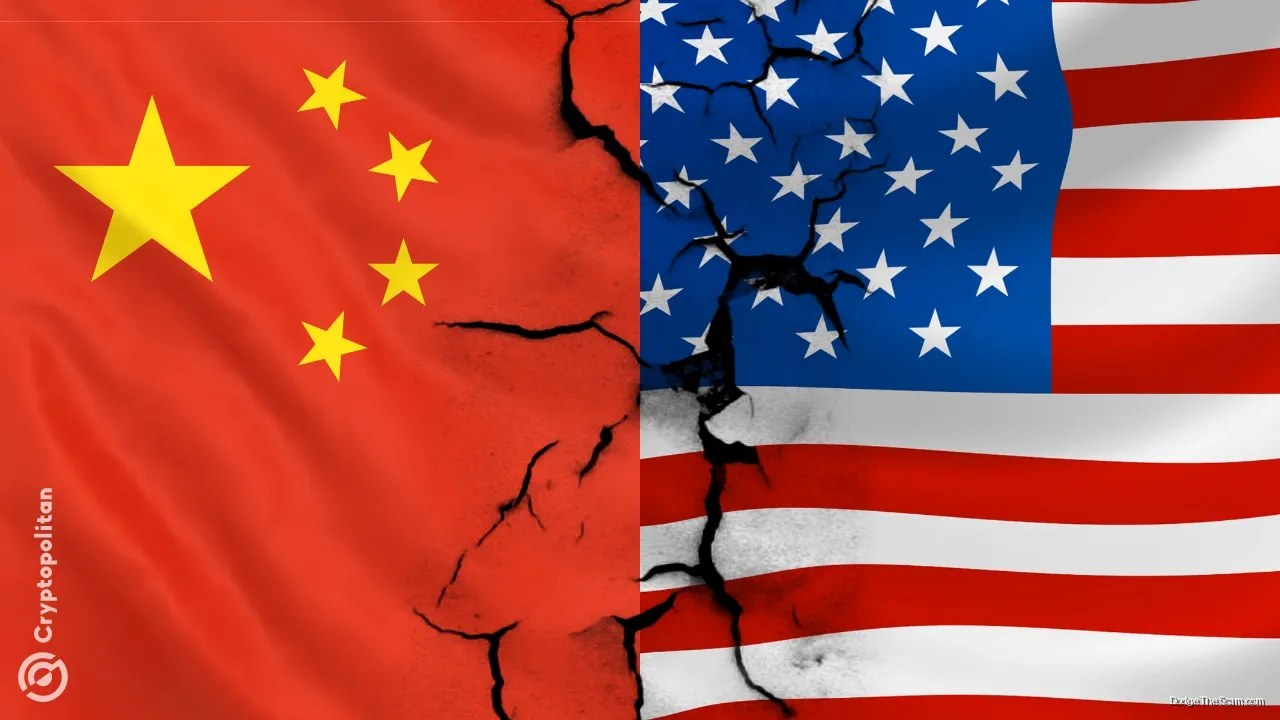
China’s Ministry of Commerce issued a direct threat to Washington on Saturday after the Pentagon added Alibaba, Baidu, BYD, and NIO to its Section 1260H list, which designates companies as allegedly tied to the Chinese military. The listing does not block trade or technology access on its own, but Beijing’s response was unusually blunt: remove the companies or face “resolute and forceful countermeasures.”
The 1260H list is a pressure instrument, not a sanctions mechanism. The Commerce Department’s Entity List is what actually cuts off access to American components and software, and none of these companies were added there. What makes this round different is the timing: the Pentagon update landed as both governments were already tightening controls across technology, data, energy, and manufacturing simultaneously, compressing what used to be sequential moves into a single escalation window. The financial data classification rules China released the same day, requiring companies to sort data into four sensitivity tiers under oversight from six agencies including the People’s Bank of China, fit the same pattern. Beijing has shown it will match Washington’s regulatory pressure with its own, and in some cases it has gone further, as when Chinese regulators forced the unwinding of a completed cross-border AI acquisition, something no Western government has managed to do in reverse.
Alibaba’s public statement that there was “no basis” for the listing is the correct legal posture, but it does not change the signal the list sends to institutional investors holding US-listed Chinese companies.
The practical risk for these firms is not the 1260H designation itself but what it enables downstream. Congressional pressure, state-level pension fund divestment rules, and secondary sanctions exposure all become easier to justify once a company appears on a Pentagon list, even one without direct trade consequences. BYD and the two solar manufacturers, Trina Solar and JA Solar, operate in sectors where the US has already layered tariffs, subsidy restrictions, and supply chain audits, so the listing adds reputational weight to an already constrained operating environment. For Baidu and Alibaba, the concern is different: both have cloud and AI divisions that depend on access to American semiconductor architecture, and the 1260H label makes future Entity List additions more politically viable.
The US law requiring annual 1260H updates runs through 2030, which means this is a recurring escalation mechanism, not a one-time event. Each update cycle gives both governments a predictable moment to signal posture, and Beijing’s same-day financial data rules suggest it now treats those moments as coordinated response opportunities rather than isolated policy announcements.




0 Comments