
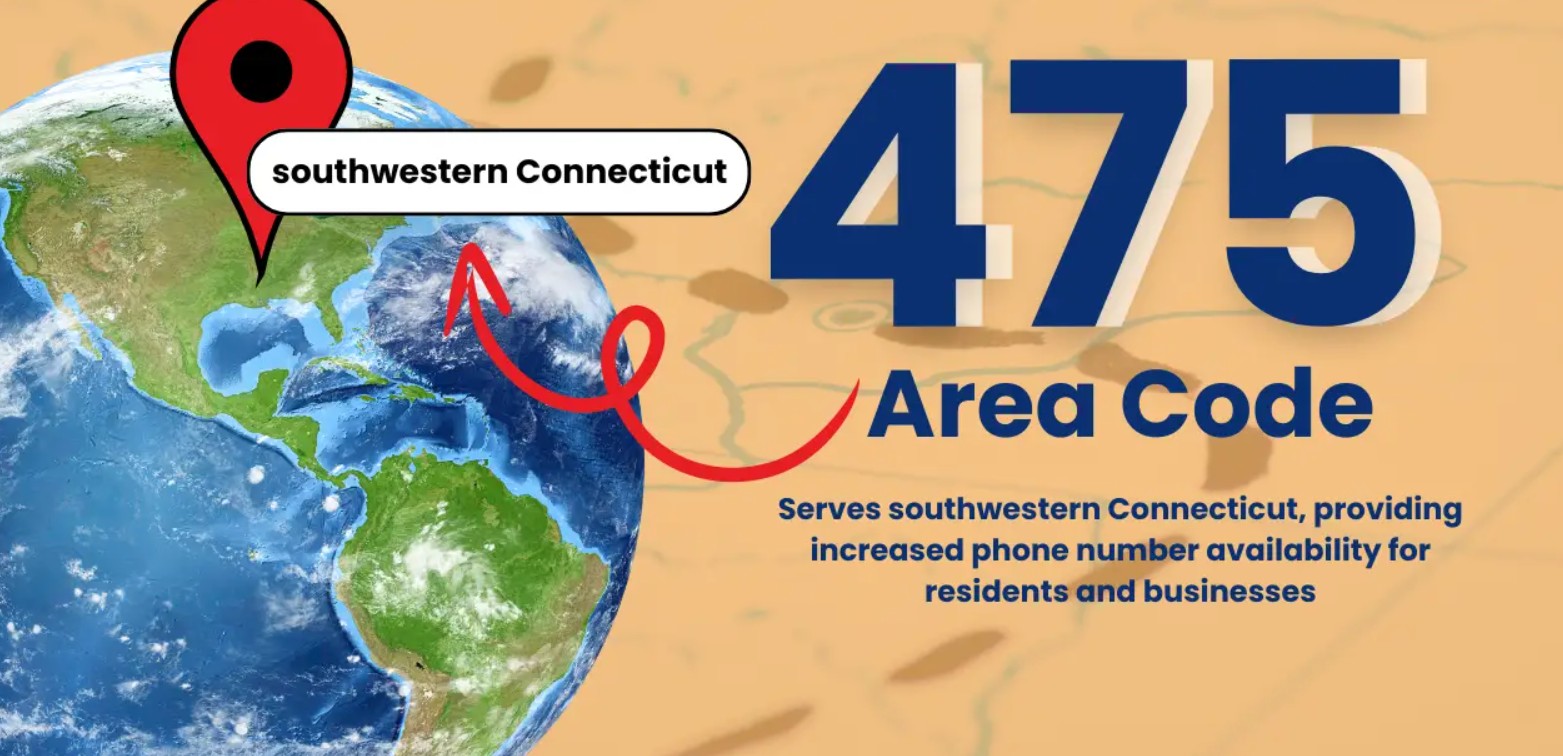
475 Area Code Scam: How the “One-Ring” Trap Steals Your Money
Have you recently seen a missed call from a 475 area code number that rang once and hung up?
If so, you may have narrowly escaped one of the most dangerous phone scams circulating across the United States.
This guide explains how the 475 area code scam works, why these calls look legitimate, and most importantly, how to protect yourself before curiosity costs you hundreds of dollars.
What Is the 475 Area Code Scam?
The 475 area code belongs to Connecticut, but scammers are exploiting it to trick people across the country.
They use caller ID spoofing to make the call appear local, increasing the chance that you will pick up or return the call.
Once you call back, you are connected to an international premium-rate number that can charge 10 to 50 dollars per minute. The money is funneled to fraud networks overseas that operate through VoIP and auto-dialer systems.
If you live in Canada or near the border, you should also be aware of the 705 area code scam prevention guide, which exposes how similar spoofed Ontario calls are deceiving thousands every month.
To better understand how similar deception works online, you can explore the full phishing guide.
How the 475 Scam Works Step-by-Step
The 475 area code scam follows a series of calculated steps. Each one is designed to create trust, curiosity, and urgency while hiding the scammer’s identity. Here is how it typically unfolds:
- Scammers buy or harvest phone lists of U.S. numbers.
- Auto-dialers place thousands of calls every minute.
- Spoofed caller IDs display local 475 prefixes to seem authentic.
- The call rings once or twice and disconnects, known as the “one-ring” trick.
- You call back, unaware you are connecting to a foreign premium line.
- The scammers earn a share of the inflated call fees.
In more advanced versions, scammers leave voicemails or robocalls pretending to be banks, delivery services, or government agencies. These calls mirror patterns found in many online scams.
A growing number of these fake delivery voicemails now mimic text-based shipping alerts, similar to the ones exposed in our UPS Ground text scam guide. Both rely on urgency and brand familiarity to trick you into clicking links or confirming personal details.
SPOILER ALERT: if you click something randomly, then most definitely you will get scammed.
Real Cases and Interesting Facts
While many people hang up fast enough to avoid charges, others have not been so lucky. Here are a few real-world cases that reveal just how effective this scam can be:
- A Connecticut teacher reported losing 375 dollars after calling back what looked like a missed school number. Her phone bill showed 15 minutes of connection to a number in West Africa.
- In Ohio, a retiree received three “one-ring” calls in one night. He called one back and was charged nearly 600 dollars before realizing the number was international.
- Telecom watchdogs estimate over 10,000 spoofed 475 calls per day, with the FTC receiving more than 375,000 related complaints last year.
- Some scammers even create fake delivery or IRS voicemails, asking victims to “press 1” or call back immediately, combining phone fraud with phishing tactics.
These cases show that even small moments of curiosity can result in significant losses.
Real Risks of the 475 Scam
The risks behind this scam go far beyond a simple missed call. Victims can face financial losses, data exposure, and ongoing harassment once their number is marked as active. Below are the main dangers to watch for:
- Exorbitant call fees: Victims report phone bills exceeding 500 dollars.
- Identity theft: Some calls redirect to phishing lines that request personal details.
- More scam calls: Calling back confirms your number is active and valuable to scammers.
- Malware threats: Clicking on links sent in follow-up texts can lead to infections.
If you have received a suspicious call, review our guide on how to check if a website is legit. The same principles of verification apply when checking unknown phone numbers or contacts.
What To Do If You Receive a 475 Call
It is important to take quick and practical steps the moment you receive a suspicious call. Here are some immediate actions you can take to reduce the risk of financial or personal data loss:
- Do not call back unknown numbers.
- Hang up immediately if a 475 number sounds suspicious or automated.
- Block and report the number to your mobile carrier, the FTC, and the FCC.
- Warn friends and family about this scam so they stay alert as well.
For broader advice on how to recognize and handle similar schemes, see our guide on Avoid Online Web Scams – Tips.
Comparison: 475 Scam vs. Other “Spoofing” Scams
Different spoofing scams share similar goals but use different triggers. The table below compares how the 475 area code scam ranks in risk and tactics compared to other major scams:
| Type of Scam | Primary Goal | Typical Hook | Risk Level |
|---|---|---|---|
| 475 Area Code Scam | Premium-rate billing | Missed call curiosity | Very High |
| Fake Robinhood Texts | Credential theft | Urgent account warnings | High |
| Phishing Emails | Data theft | “Account verification required” | High |
| Lottery or Delivery Scams | Upfront payment fraud | “You’ve won a prize” | Medium |
To learn more about impersonation scams that use similar psychological pressure, see our guide on the Fake Robinhood Urgent Risk Warning Scam.
Frequently Asked Questions
Below are common questions about the 475 scam that can help you identify warning signs and respond safely.
Why do scammers use the 475 area code?
The 475 area code overlaps with Connecticut’s 203 region, making it appear local and legitimate. Because it is still relatively new, few businesses use it, which allows scammers to exploit it more easily.
Can my phone be hacked from a missed call?
Not directly. However, calling back or clicking links sent by these scammers can expose you to malware or phishing attempts.
What if I already called back a 475 number?
Contact your phone carrier immediately, dispute any unexpected international charges, and report the scam to the FTC and FCC.
Are these scams related to phishing or robocall attacks?
Yes. They rely on the same type of manipulation and urgency used in many phishing scams.
The Bottom Line
The 475 area code scam thrives on curiosity. A single missed ring can lead to large phone bills and potential data theft. The safest approach is to avoid calling back numbers you do not recognize, even if they appear local.
By staying informed, verifying contacts, and sharing warnings with others, you can help reduce the success of these scams. To learn more about the newest fraud trends, explore our guide on the biggest web-based scams of 2025



One thought on “475 Area Code Scam: How the “One-Ring” Trap Steals Your Money”